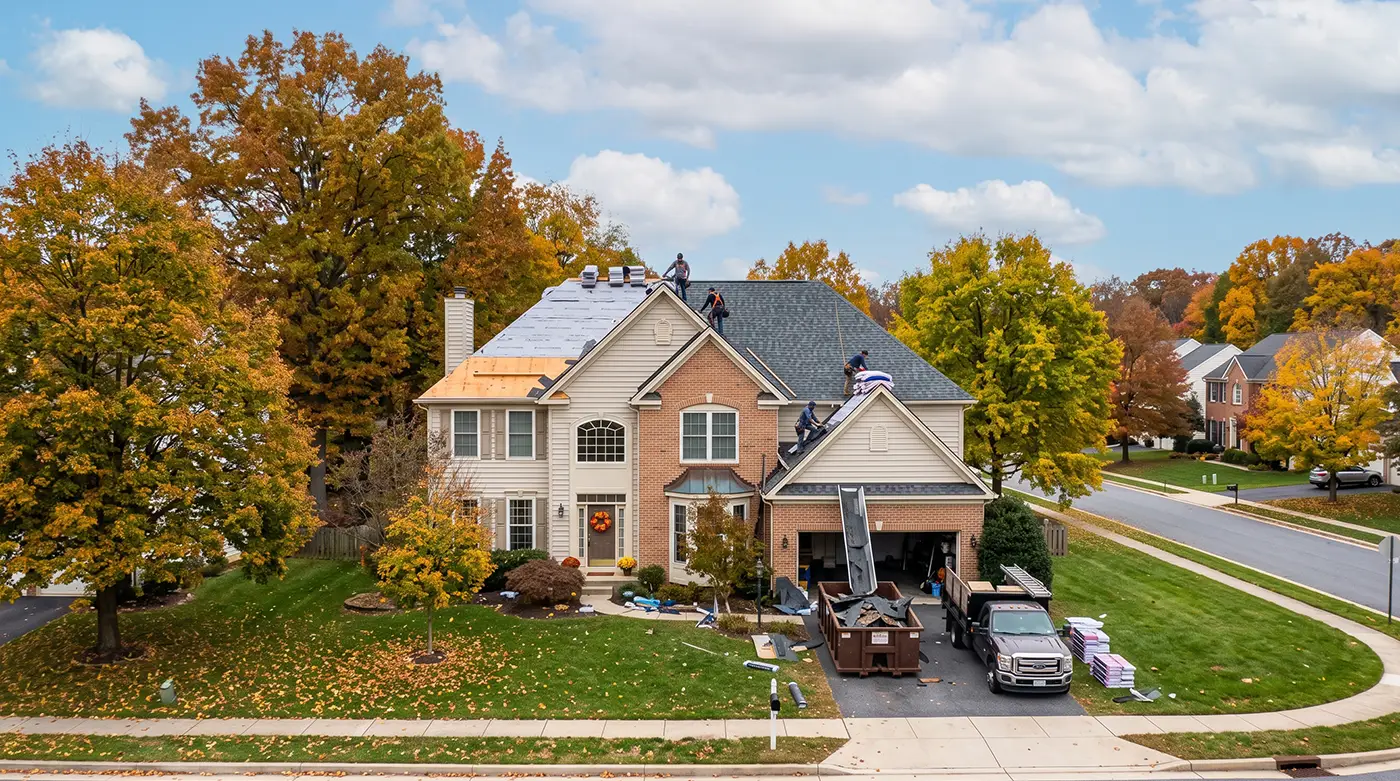
For most Maryland homeowners, early fall is the best season for roof replacement, followed closely by late spring. At A1 Roofing’s KangaRoof in Columbia, MD, we plan replacement projects around temperature, precipitation, roof condition, material requirements, and the short-term forecast rather than relying on the calendar alone. A professionally planned roof replacement can be completed during much of the year, but some months provide a wider margin for predictable installation conditions.
Fall: The Best Overall Season for Roof Replacement in Maryland
September through October is generally the strongest window for replacing a roof in Maryland. Temperatures are typically more moderate than during midsummer, daylight remains sufficient for roofing work, and freezing conditions are less common than in winter.
The Baltimore/Washington region illustrates the seasonal transition clearly. According to National Weather Service climate normals for BWI Airport, based on 1991–2020 data, the normal average temperature is about 69.2°F in September, 57.4°F in October, and 46.9°F in November.
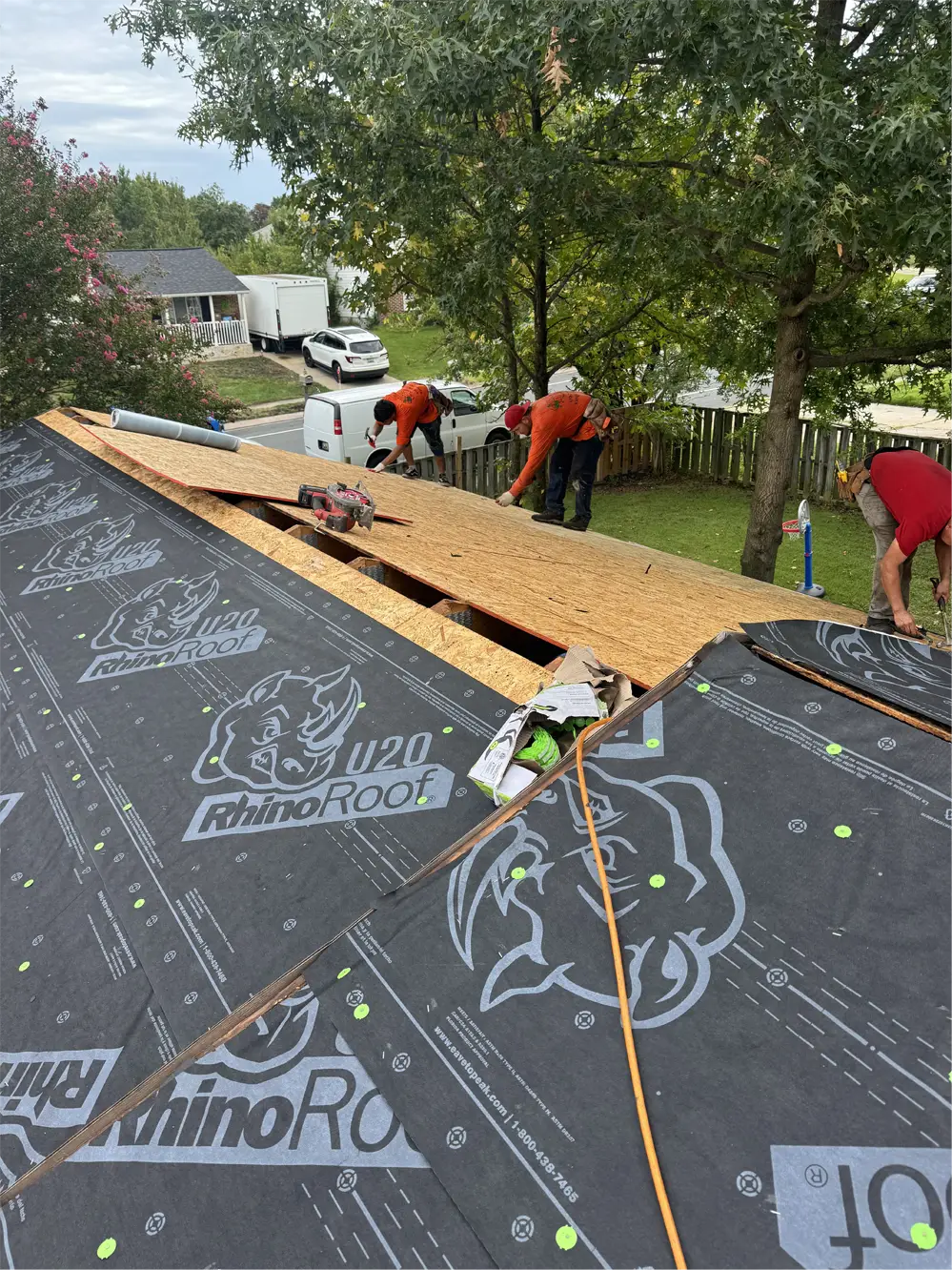
Those conditions can be favorable for asphalt-shingle installation because crews are less likely to encounter the extreme roof-surface heat associated with July and August. Moderate conditions also make it easier to schedule tear-off, deck inspection, underlayment installation, flashing work, and shingle installation within a stable weather window.
Fall has another advantage: a new roofing system is installed before winter freeze-thaw cycles, snow, ice, and wind expose existing weaknesses.
The primary drawback is demand. Homeowners who know their roof needs replacement should schedule inspections before the fall calendar becomes crowded.
Spring: An Excellent Time to Replace a Maryland Roof
April through May is another highly favorable roof-replacement period. Temperatures are rising, severe winter cold is largely behind us, and homeowners can address damage discovered after winter before Maryland’s hotter summer weather arrives.
At BWI, long-term climate normals rise from an average of approximately 44.3°F in March to 64.4°F in May, demonstrating how rapidly installation conditions improve through spring.
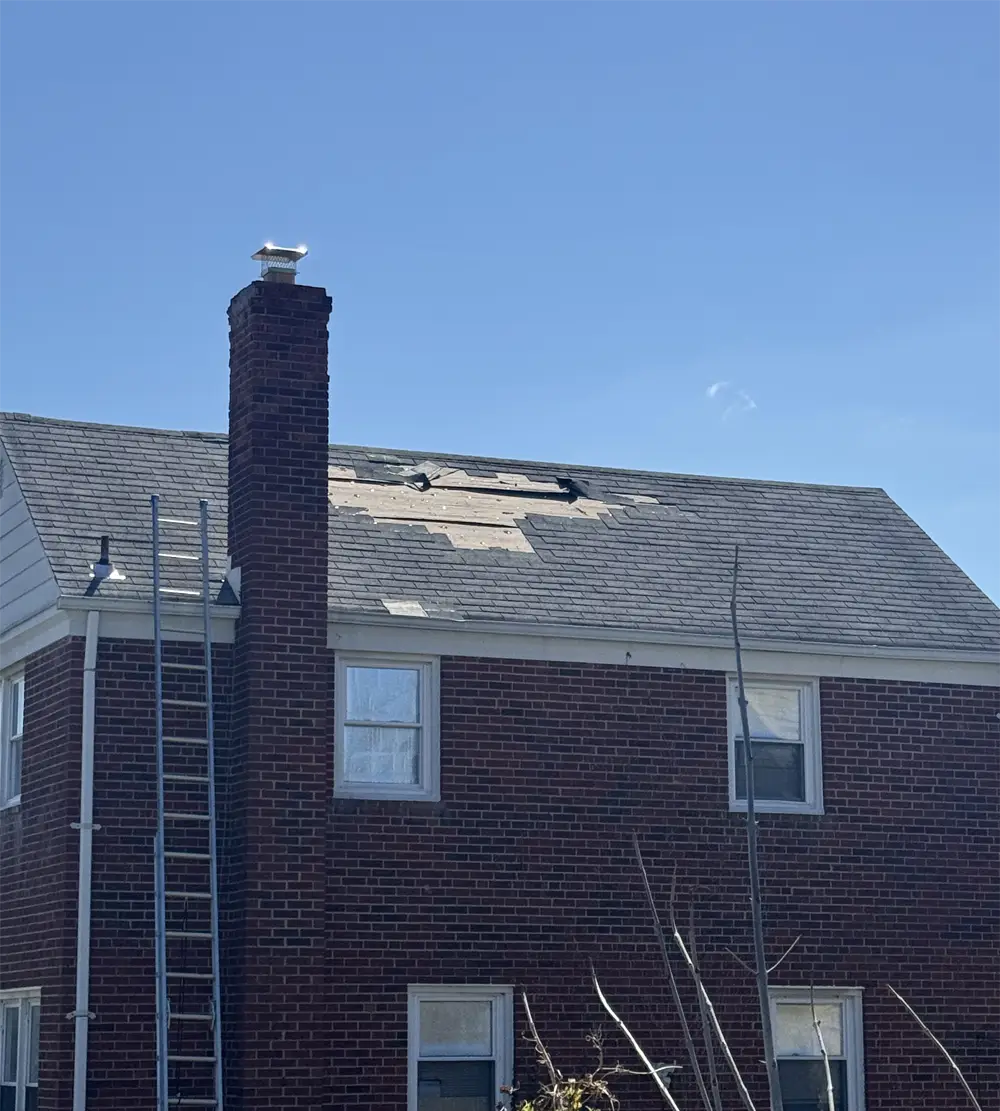
Spring is particularly useful for roofs showing:
- cracked, curled, or missing shingles;
- deteriorated flashing;
- winter-related leaks;
- damaged pipe boots or penetrations;
- excessive shingle granule loss;
- soft or deteriorated roof decking.
Rain remains an important scheduling consideration. Roofing materials should not simply be installed over a wet deck, so professional crews watch short-term forecasts carefully and avoid opening more roof area than can be protected safely.
If an inspection shows that the roof still has useful service life, targeted roof repair may be more practical than immediate replacement.
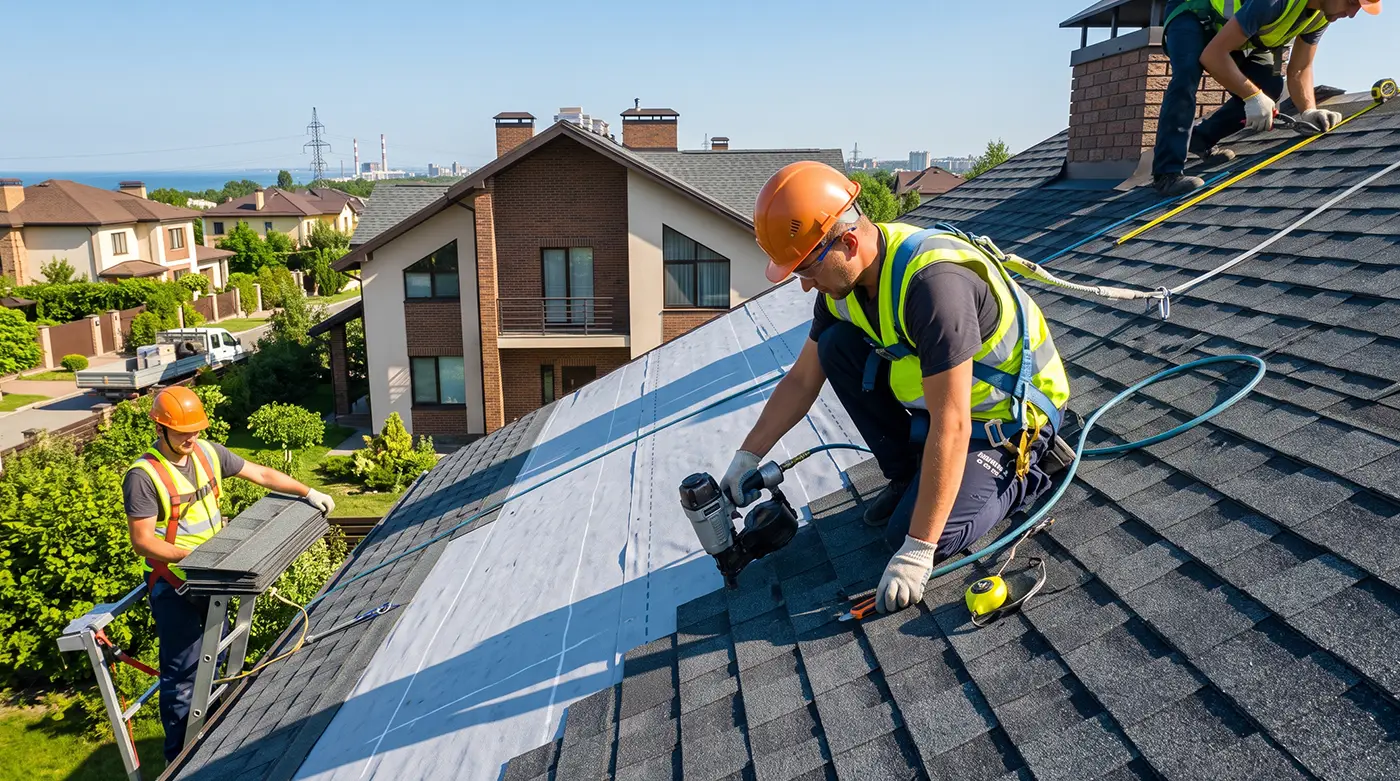
Summer Roof Replacement: Good Conditions With Heat Considerations
Roof replacement can be completed successfully throughout the Maryland summer. Longer daylight hours provide substantial working time, and warm temperatures support many roofing applications.
The challenge is extreme heat.
An asphalt roof surface exposed to direct sunlight can become substantially hotter than the surrounding air. High roof temperatures can make shingles softer and more vulnerable to scuffing during installation, while heat exposure also affects crew safety and productivity.
For summer projects, experienced contractors may adjust staging and working hours, manage material placement carefully, and monitor afternoon thunderstorms.
Summer should not automatically be avoided. If a deteriorating roof is already leaking or has widespread damage, waiting several months for cooler weather can create a much more expensive problem.

Can You Replace a Roof in Maryland During Winter?
Yes. Winter roof replacement is possible, but the installation requires closer attention to temperature, weather, and manufacturer specifications.
Cold asphalt shingles become less flexible. Owens Corning’s official shingle application instructions specifically state that installers should “use extra care in handling shingles when the temperature is below 40°F.”
Cold weather can also affect the activation of factory-applied sealing strips. Installation procedures therefore need to follow the requirements for the specific shingle, underlayment, adhesive, and roofing system being installed.
Winter replacement makes the most sense when:
- the roof is actively leaking;
- storm damage has compromised protection;
- sections of roofing are missing or exposed;
- delaying replacement risks interior water damage;
- a suitable dry and moderate weather window is available.
An urgent roofing problem should be evaluated immediately rather than postponed solely because it occurs outside the preferred season.

What Matters More Than the Season?
The condition of the existing roof matters more than the month on the calendar.
A failing roof can allow moisture into roof decking, insulation, ceilings, walls, and other building components. Waiting for an “ideal” season can be a poor tradeoff if the roof is already losing its ability to keep water out.
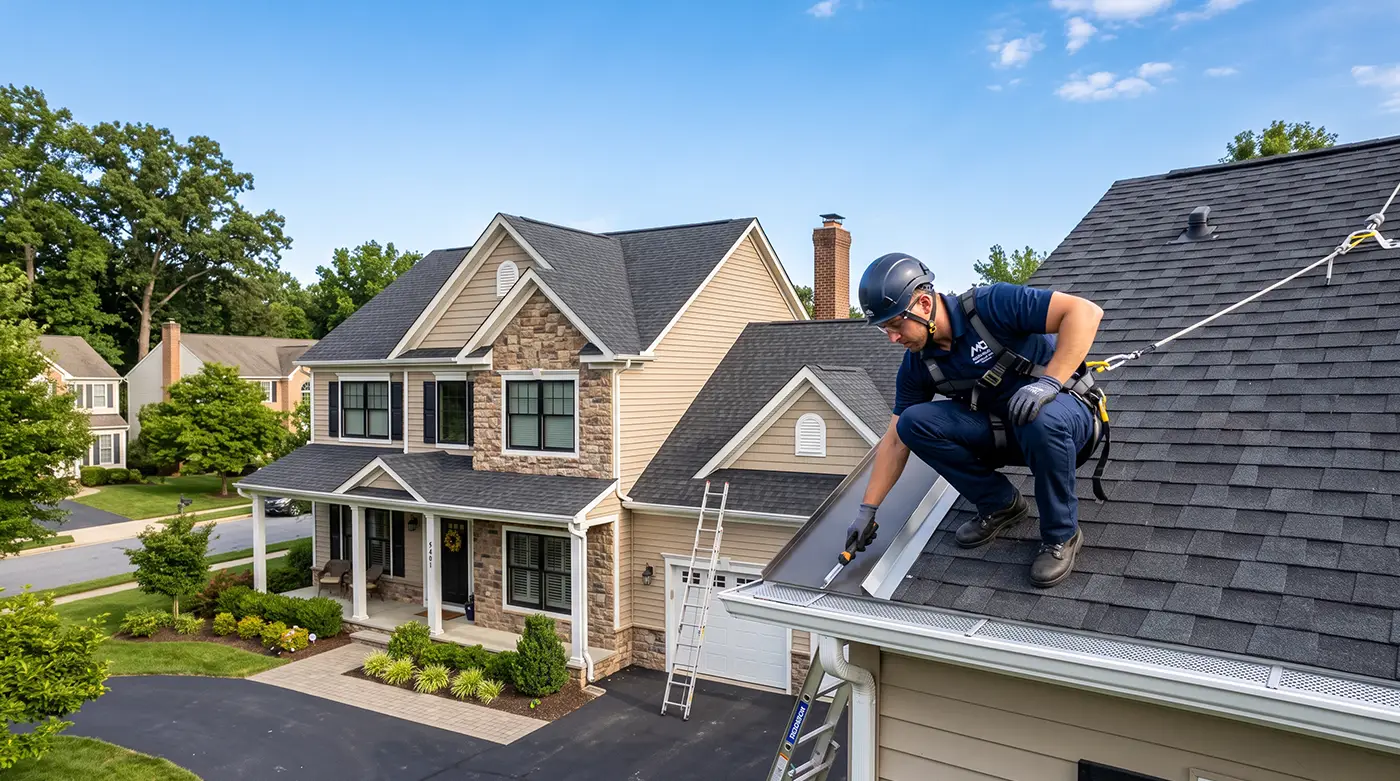
Before replacement, we recommend evaluating the roofing material, flashing, penetrations, drainage, ventilation, visible decking conditions, previous repairs, and evidence of water intrusion.
Homeowners can review our full range of Maryland roofing services or request a roofing estimate when replacement planning needs to begin.
Best Roof Replacement Season by Priority
| Priority | Best Timing |
| Most balanced installation conditions | September–October |
| Replacing winter-damaged roofing | April–May |
| Long daylight hours | June–August |
| Preparing before winter | Early fall |
| Active leak or serious damage | As soon as conditions safely allow |
Conclusion
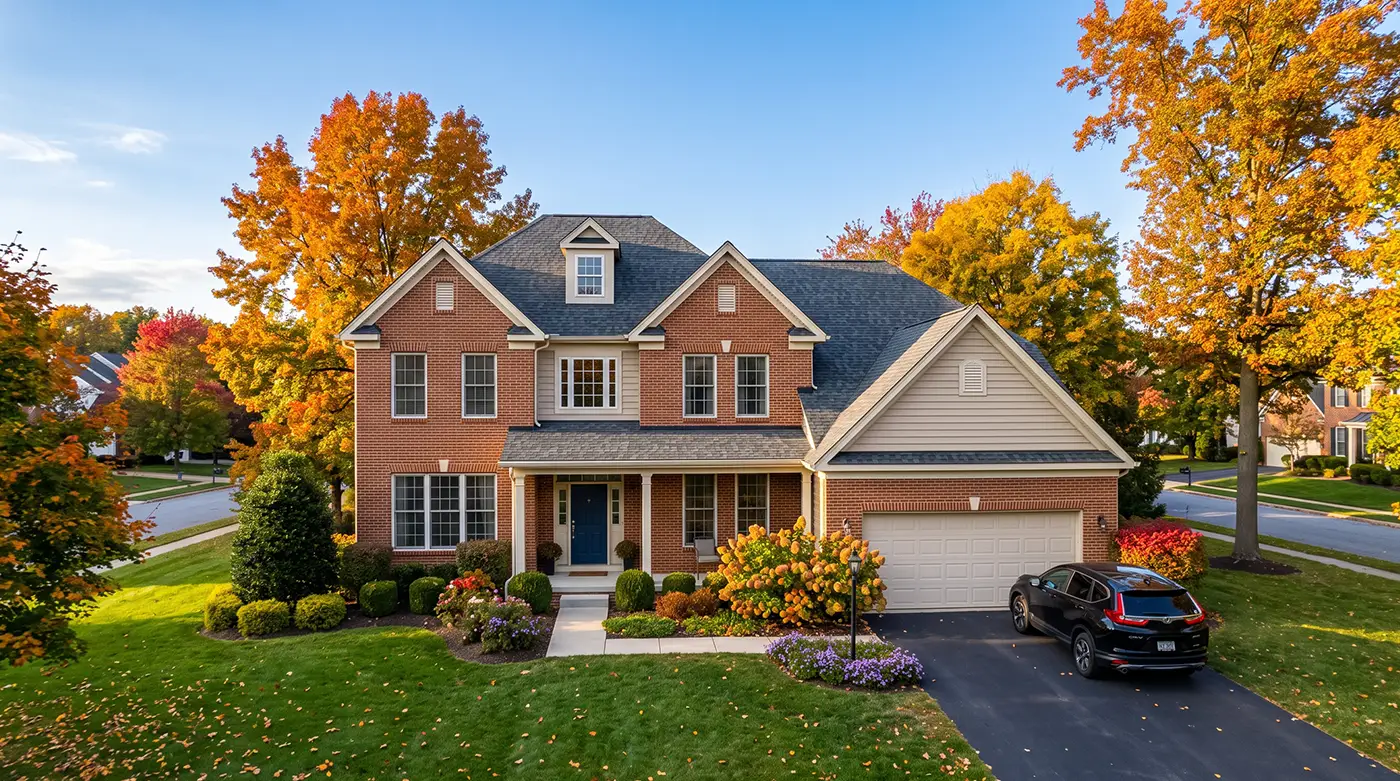
For most Maryland properties, September and October offer the best overall conditions for roof replacement, while April and May are excellent alternatives. Summer remains practical with proper heat management, and winter projects can be completed when weather and manufacturer requirements permit. The most important rule is not to postpone necessary roof replacement when deterioration, leaks, or storm damage are already putting the property at risk.
FAQ
What month is best for roof replacement in Maryland?
September and October are usually the strongest choices because temperatures are moderate and severe winter conditions have not yet arrived. Actual installation dates should still be selected according to the forecast and roofing system requirements.
Is it too cold to replace a roof in Maryland during winter?
Not necessarily. Roofing can be installed during winter when weather conditions are suitable, but asphalt shingles require more careful handling in cold temperatures. Manufacturer-specific requirements must be followed, particularly when temperatures approach or fall below 40°F.
Should we wait until fall if a roof is already leaking?
No. An active leak, extensive storm damage, missing roofing material, or exposed decking should be inspected promptly. Temporary or permanent repair may be appropriate, but a roof that already requires replacement should not be allowed to deteriorate for months simply to reach a preferred season.