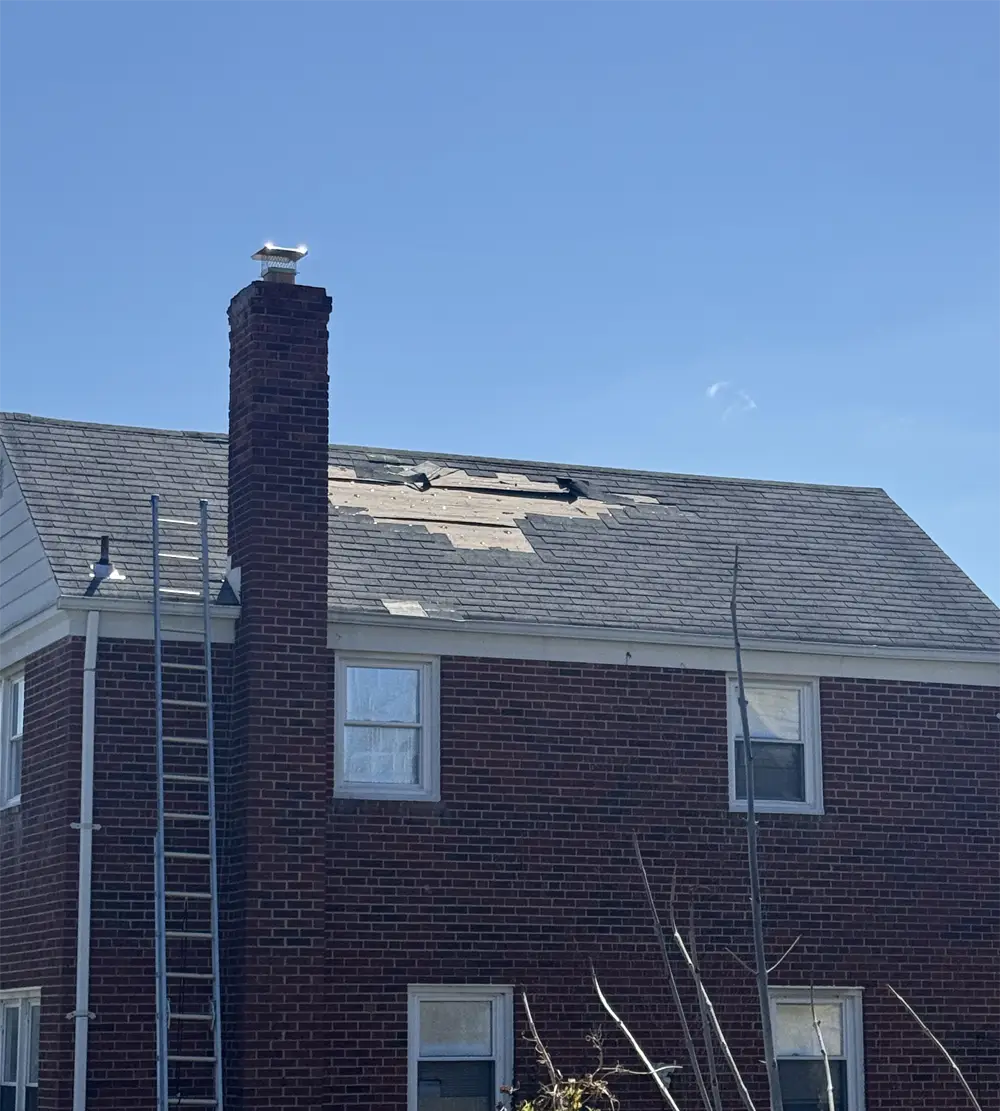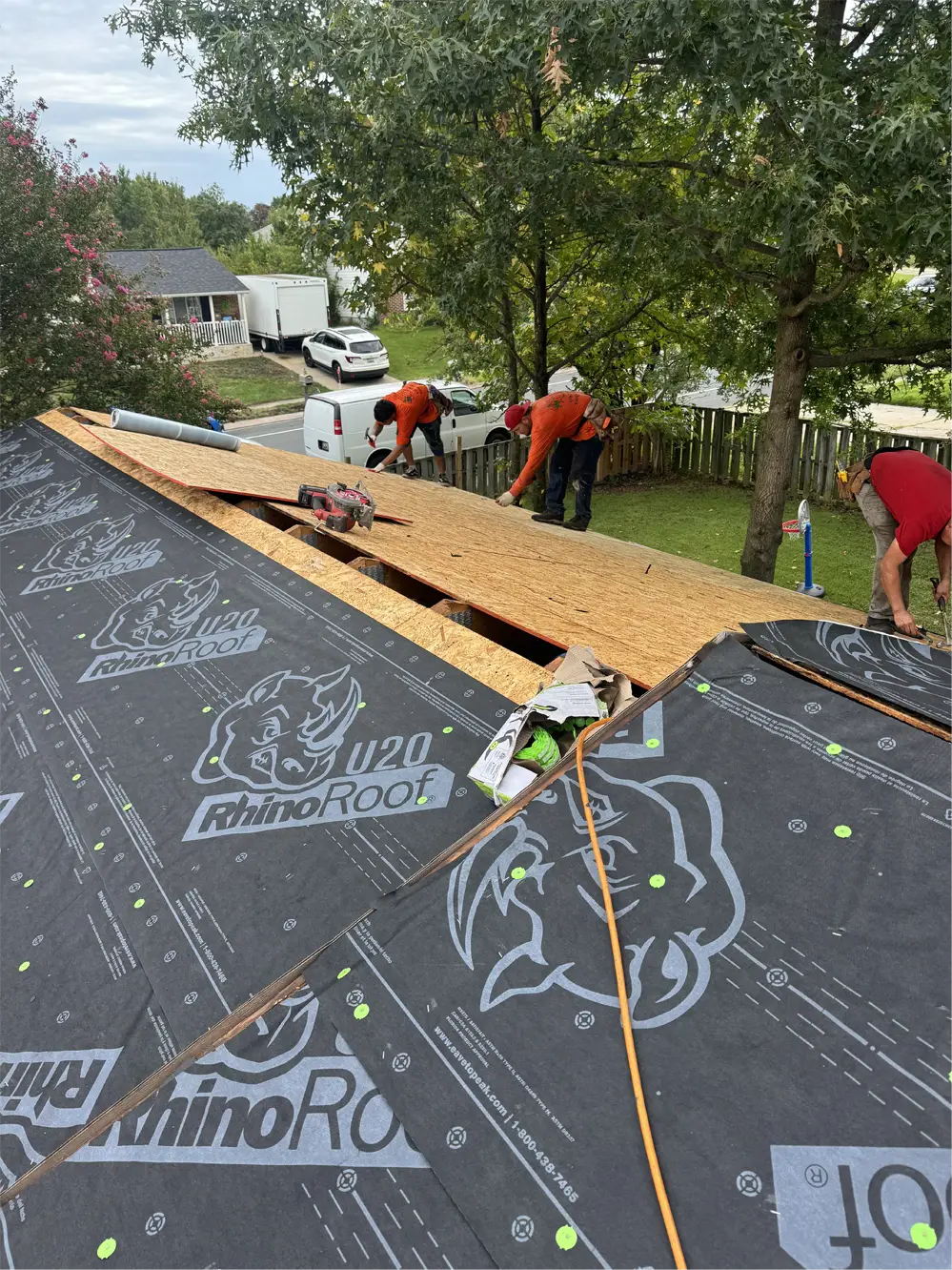
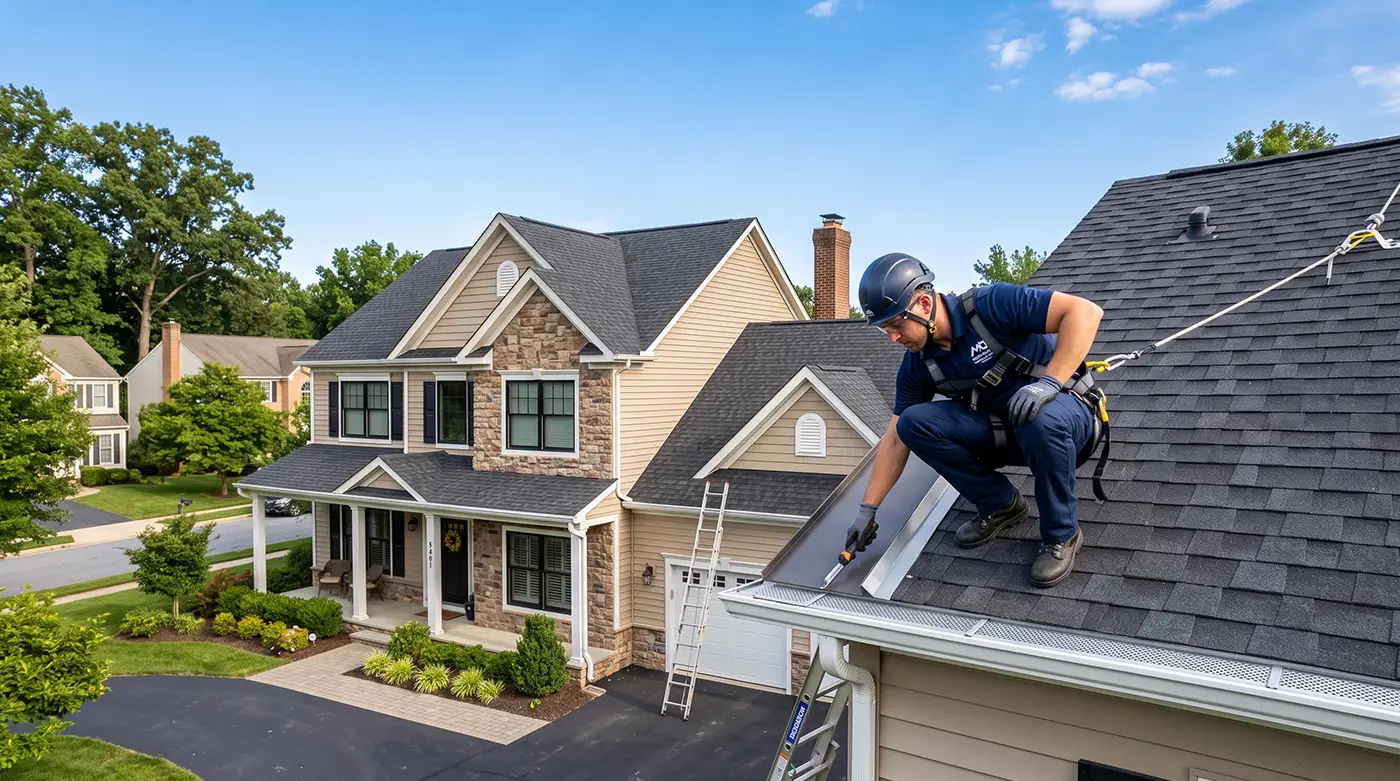
Preventative roof maintenance helps protect a roofing system from avoidable leaks, premature deterioration, and hidden moisture damage. At A1 Roofing’s KangaRoof in Columbia, MD, we recommend treating roof care as a seasonal property-maintenance task instead of waiting for ceiling stains or active leaks. A roof can look intact from the ground while damaged shingles, failed flashing, cracked pipe boots, clogged drainage, or membrane defects are already creating weak points.
How Often Should a Roof Be Inspected?
The National Roofing Contractors Association recommends inspecting residential roof systems at least twice each year, preferably in spring and fall, plus additional inspections after severe weather such as hail or major wind events. That schedule fits Maryland well because freeze-thaw cycles, spring rain, summer thunderstorms, heat, and autumn debris create different seasonal stresses.
A professional inspection should evaluate the roof covering, flashing, penetrations, pipe boots, skylights, exposed fasteners, sealants, roof edges, drainage, and visible attic moisture. Flat roofs also require inspection of seams, drains, scuppers, punctures, edge details, and ponding areas.

Seasonal Roof Maintenance Checklist for Maryland
Spring: Find Winter Damage
Spring inspections should identify damage caused by snow, ice, wind, and repeated freezing and thawing. We check shingles and membranes for displacement, cracking, punctures, or open seams, then inspect flashing around chimneys, walls, skylights, and plumbing vents.
Drainage also matters. Debris in gutters, valleys, drains, or scuppers can slow runoff and keep water against roof edges or vulnerable membrane details.
Summer: Check Storm and Heat Exposure
Summer heat and ultraviolet exposure can age sealants, coatings, asphalt products, and membrane details. Thunderstorms may lift shingles, drive rain behind weak flashing, or drop branches onto the roof.
After a significant storm, we recommend checking for displaced roofing, punctures, fresh impact damage, and interior moisture. When damage is localized, prompt roof repair can stop a small defect from becoming a recurring leak.
Fall: Prepare for Leaves and Freezing Weather
Fall maintenance should focus on drainage, penetrations, and flashing. Leaves and organic debris hold moisture and can obstruct water flow on steep-slope and low-slope roofs. We clear drainage points and identify repairs that should be completed before freezing temperatures.
Winter: Monitor Ice and Attic Moisture
Winter problems can begin inside the building. The U.S. Department of Energy notes that attic moisture can damage roof components and insulation; air leakage, insulation deficiencies, and ventilation conditions can also contribute to ice-dam problems. Watch for damp insulation, frost, staining, condensation, or moisture around roof decking.
Heavy snow or ice should not be removed by walking on the roof. Improper removal can damage roofing materials and create serious fall hazards.
Preventative Maintenance for Asphalt Shingle Roofs
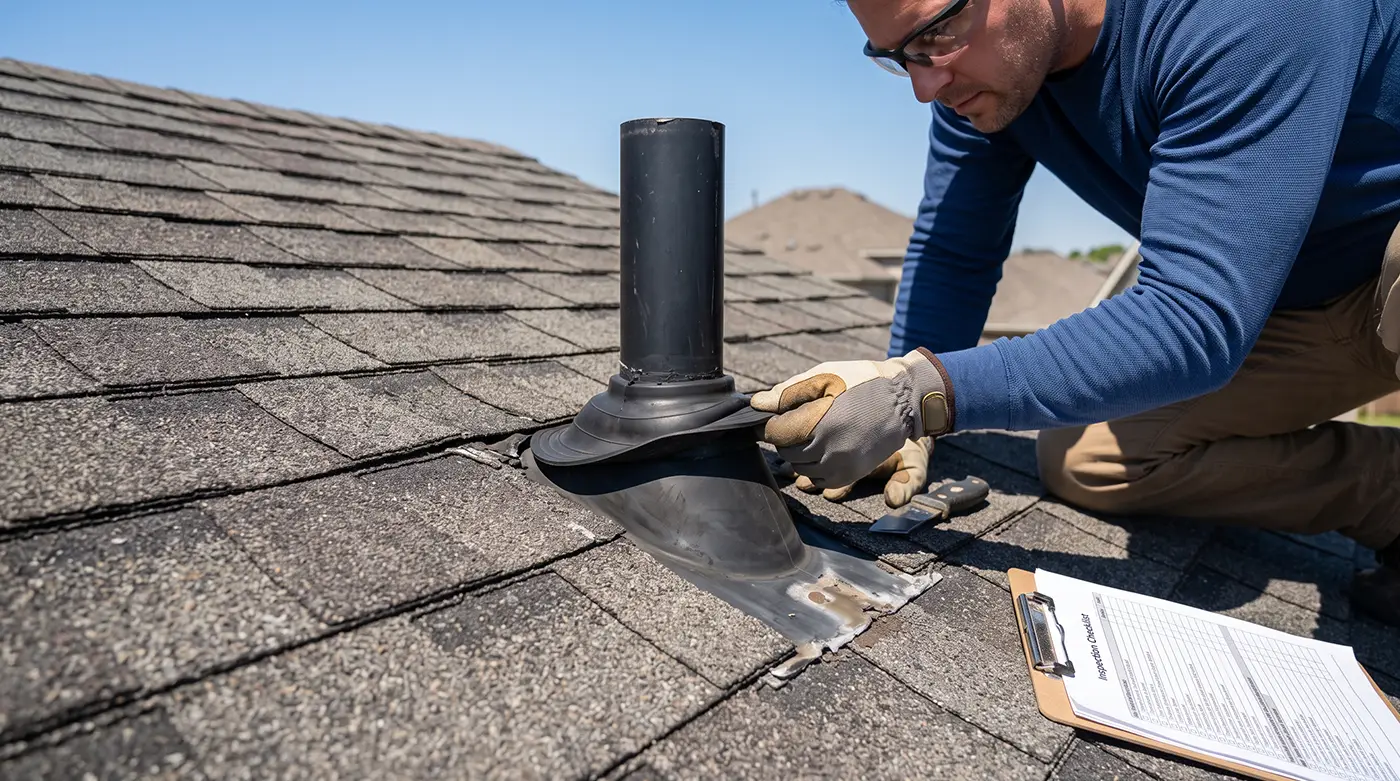
Shingle maintenance keeps the water-shedding surface continuous. Missing shingles, lifted edges, cracked tabs, exposed nail heads, concentrated granule loss, damaged pipe boots, and failed flashing should be investigated promptly.
If damage is limited and the surrounding roof remains serviceable, targeted roof repair services may be appropriate. When deterioration is widespread, leaks repeatedly return, or large sections have reached the end of their service life, roof replacement may provide better long-term value.

Preventative Maintenance for Flat and Commercial Roofs
Flat roofs depend heavily on drainage and membrane continuity. We inspect TPO, EPDM, PVC, modified bitumen, and coated flat roofing systems for open seams, punctures, membrane movement, failed flashing, deteriorated sealant, clogged drains, and ponding areas.
Commercial roofs also experience service traffic around HVAC equipment and other rooftop systems. Maintenance records should document inspection dates, photographs, defects, repairs, and leak history so recurring problems are easier to track.
Roof Defects That Should Be Repaired Early
A cracked pipe boot can admit water around a plumbing penetration. Loose chimney flashing can allow wind-driven rain behind the roof covering. A punctured single-ply membrane can wet insulation beneath the surface. A blocked drain can keep water on a flat roof longer than intended.
Interior warning signs matter too. Ceiling stains, peeling paint, musty attic odors, wet insulation, or recurring moisture after rain justify an inspection even when exterior damage is not obvious.

CONCLUSION
Preventative roof maintenance works best as a documented seasonal routine: inspect in spring and fall, check after severe storms, keep drainage open, repair flashing and membrane defects early, and monitor attic moisture. If a Maryland roof is leaking, storm-damaged, or overdue for inspection, we can explain practical maintenance, repair, or replacement options. Contact A1 Roofing’s KangaRoof to schedule an inspection before minor defects become larger problems.
Frequently Asked Questions
How often should preventative roof maintenance be performed?
We recommend inspections at least twice per year—typically spring and fall—and after major hail, wind, or storm events. Older roofs, flat roofs, and roofs with prior leaks may need more frequent monitoring.
What does preventative roof maintenance include?
Typical maintenance includes inspection of shingles or membranes, flashing, pipe boots, skylights, penetrations, sealants, roof edges, drainage, and accessible attic areas. Work may include debris removal, targeted sealing, flashing repair, shingle replacement, membrane patching, or drainage correction.
Can preventative maintenance extend roof life?
Yes. Maintenance cannot reverse normal material aging, but it can reduce avoidable deterioration by correcting localized defects, drainage problems, and water-entry points before they damage larger parts of the roof assembly.