
Choosing a roofing contractor should be a verification process, not a decision based on price or sales pressure. At A1 Roofing’s KangaRoof in Columbia, MD, we recommend that homeowners confirm licensing, insurance, written scope, warranties, local reputation, and payment terms before authorizing work. A dependable roofer should make these details easy to verify and explain whether the property needs roof repair, roof replacement, or further inspection before recommending a major expense.
Verify the Roofer’s License and Insurance
For Maryland homeowners, licensing is one of the first checks to make. The Maryland Home Improvement Commission advises consumers to use licensed contractors, verify license status, request references, obtain a current liability insurance certificate, and use a written contract. Its homeowner guidance is explicit: “Pay no more than 1/3 of the contract price as down payment.”
We recommend verifying the license directly with the state rather than relying on a logo, business card, or verbal claim. The contractor name on the proposal should match the licensed business information. Request proof of general liability insurance and, where applicable, workers’ compensation coverage. Certificates should be current and clearly identify the insured company. For reference, our Maryland contractor license is MHIC #85692.
Compare Detailed Written Roofing Estimates
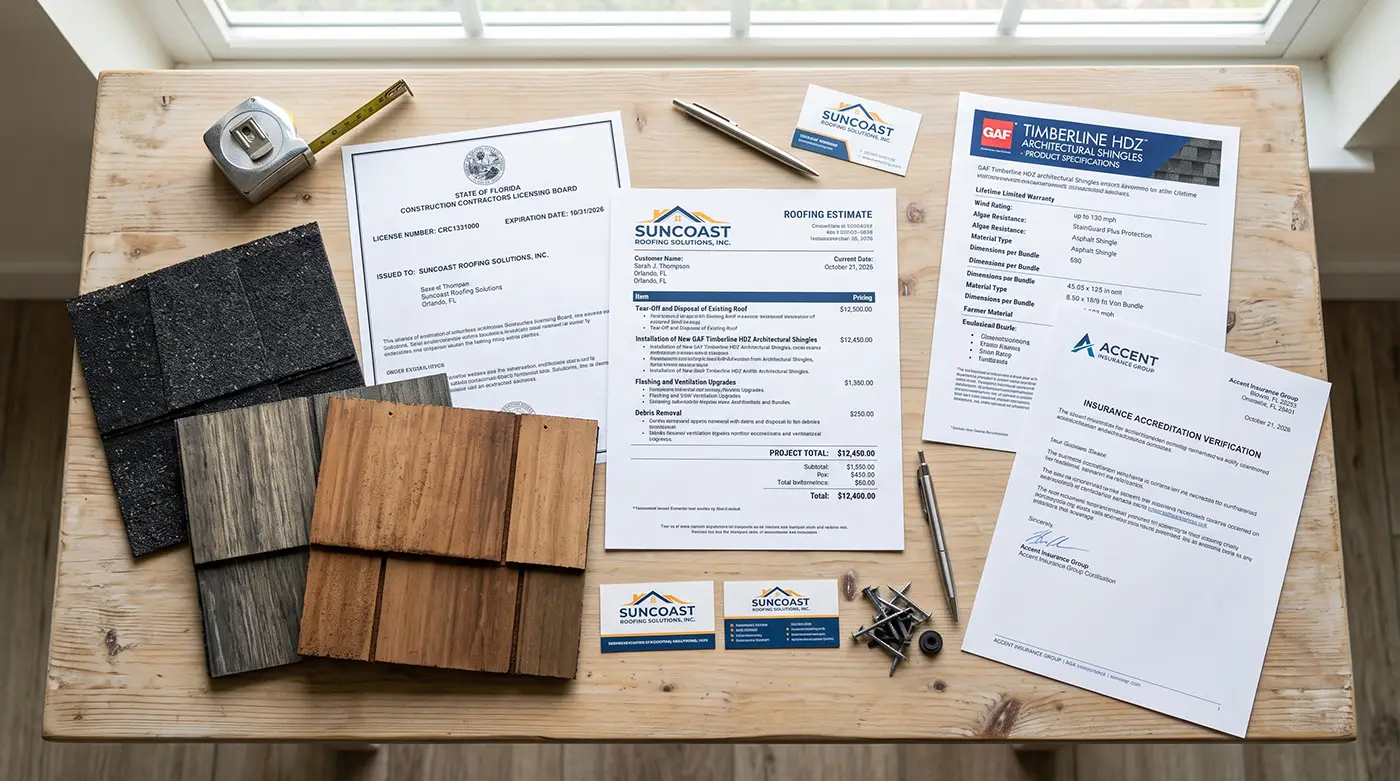
A reliable roofing estimate should define exactly what is included. The Federal Trade Commission recommends getting multiple estimates and states that a written estimate should describe the work, materials, completion date, and price. The lowest bid is not automatically the best value.
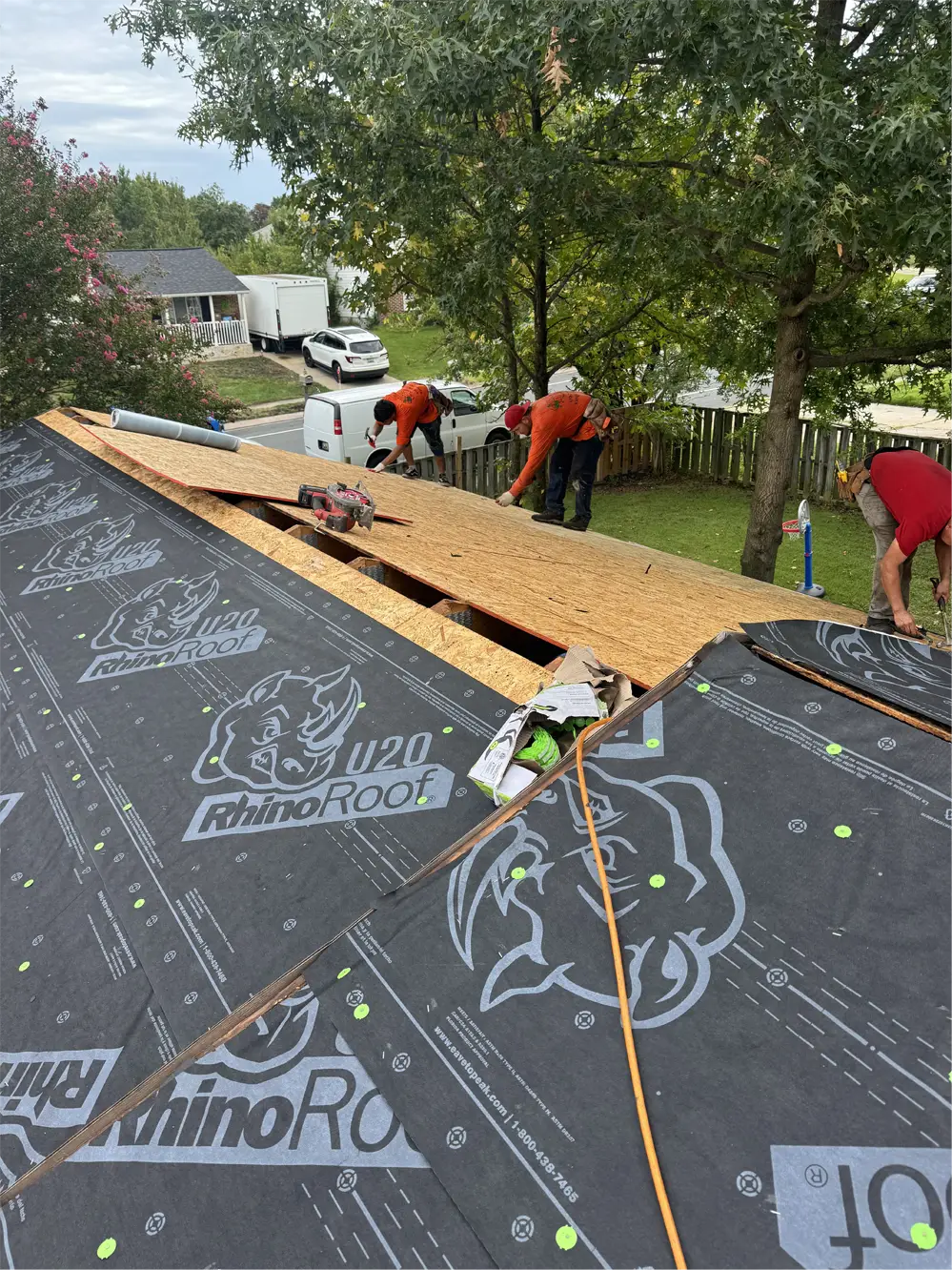
For shingle roofing, look for written details covering tear-off, disposal, decking replacement terms, underlayment, ice-and-water protection, flashing, ventilation, shingles, ridge caps, penetrations, cleanup, permits when required, and warranties. For flat roofing, the estimate should identify the membrane system, insulation or cover board where applicable, flashing, drainage, seams, penetrations, and termination methods.
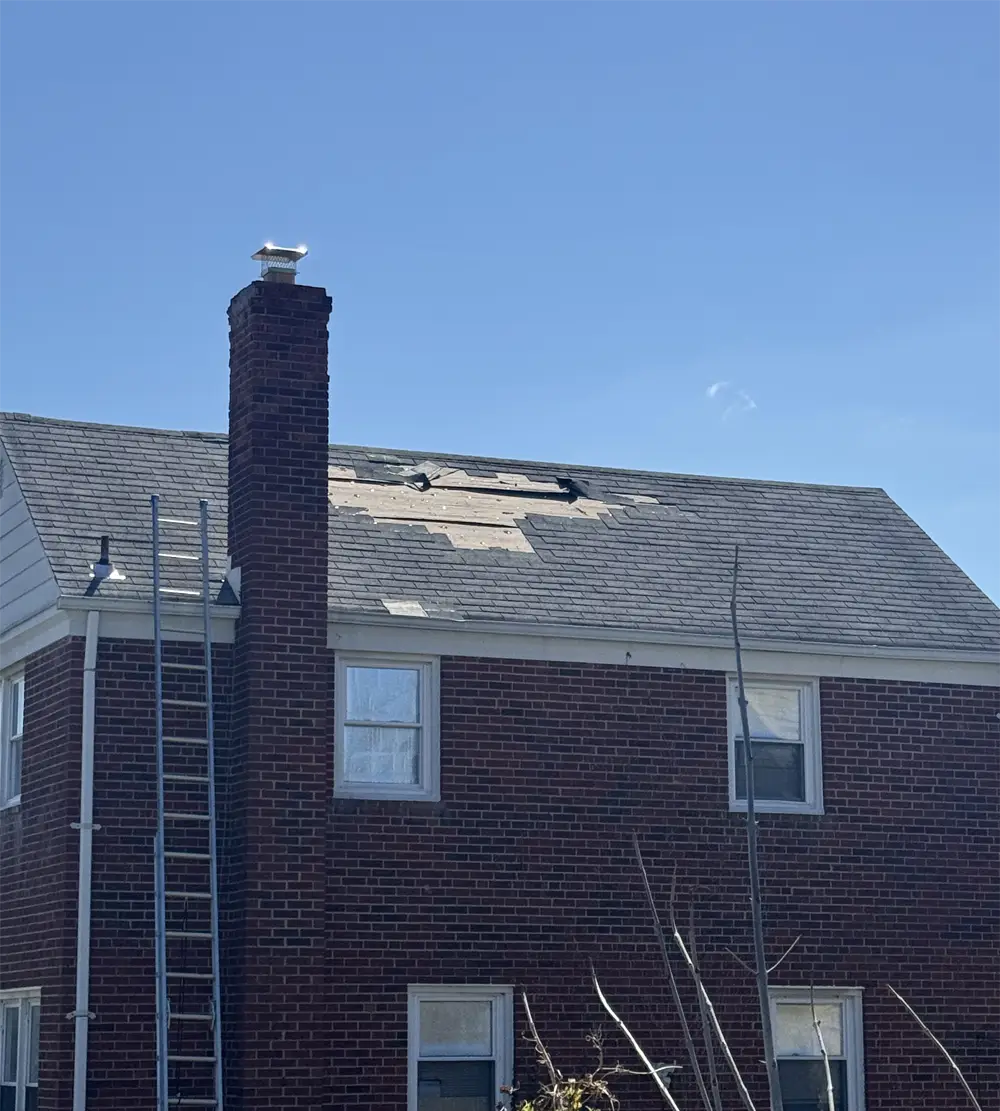
When comparing roof repair proposals, make sure each contractor is addressing the same defect. A low price can be misleading if one estimate replaces failed flashing while another only seals the visible gap. For roof replacement, compare the scope line by line rather than comparing only the total.
Check Local Reputation and Roofing Experience
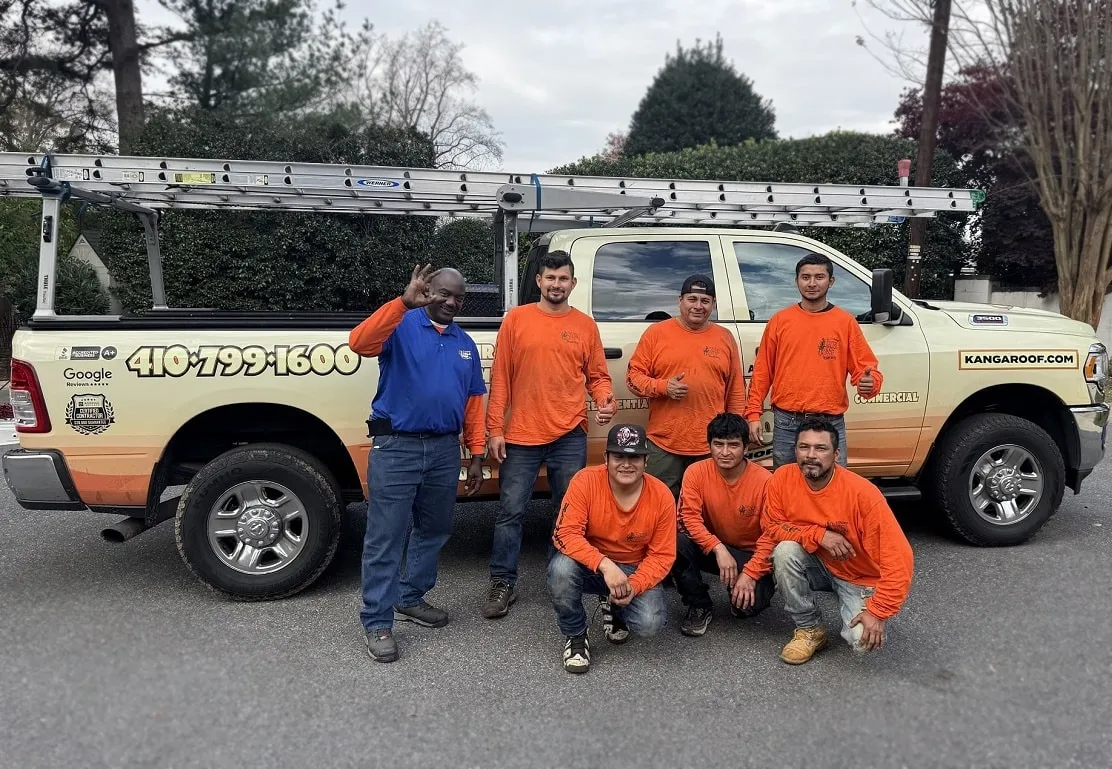
A trustworthy roofer should have a verifiable business identity, consistent contact information, recent customer feedback, and examples of completed work. Check reviews across more than one platform and read the comments, not only the star average. Repeated feedback about communication, cleanup, scheduling, leak resolution, and warranty service is especially useful.
Experience should also match the roofing system. Asphalt shingles, TPO, EPDM, PVC, modified bitumen, skylight flashing, and chimney flashing require different methods. A contractor experienced in one roofing system is not automatically qualified for every roof type.
Manufacturer credentials provide another verification point because roofing manufacturers often establish requirements for contractors participating in preferred or certified programs. Confirm credentials with the manufacturer when a designation affects the proposed roofing system or warranty.
Require a Clear Roofing Contract and Warranty
Before work starts, the contract should state the contractor’s legal name, license information, project address, scope, material specifications, price, payment schedule, estimated timing, change-order process, and warranty terms. Verbal promises about upgraded materials, flashing replacement, cleanup, or decking allowances should be written into the agreement.
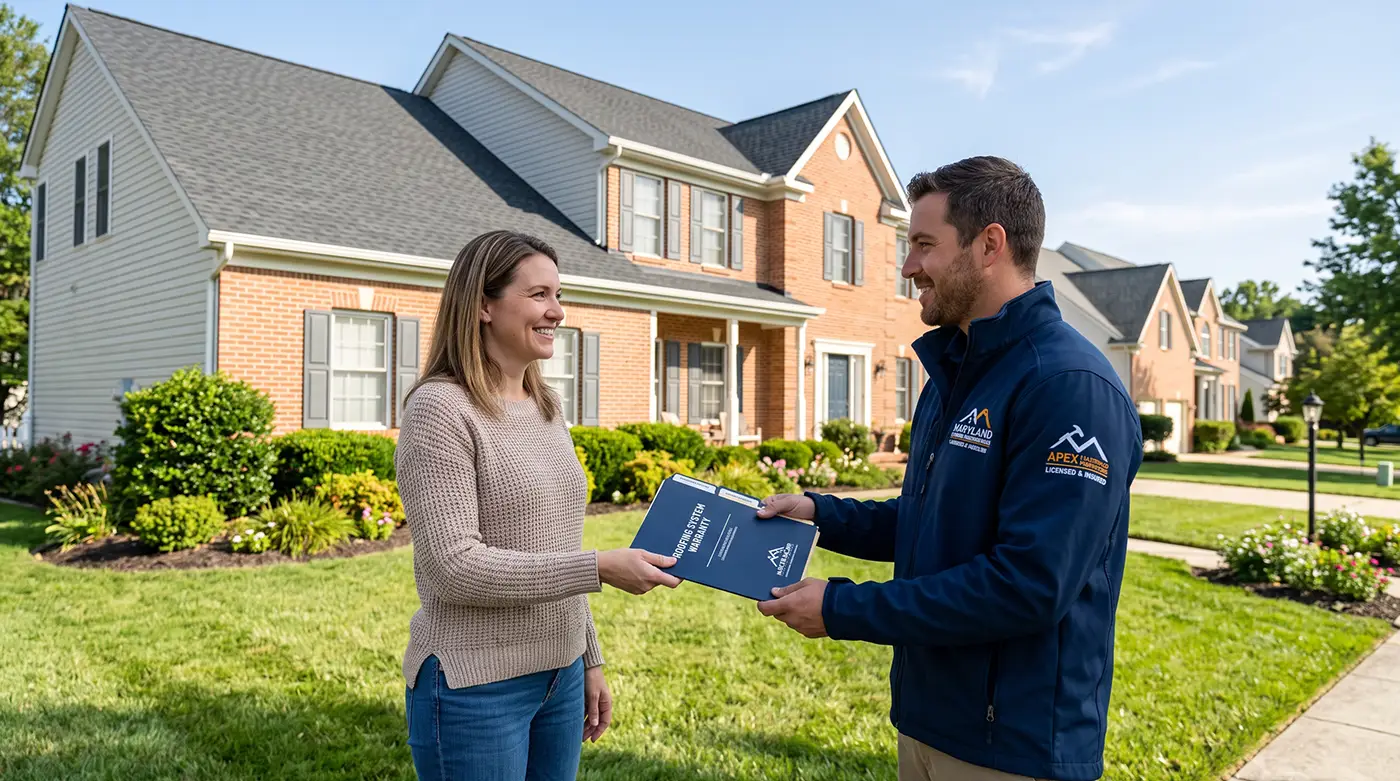
Workmanship and manufacturer warranties are different. A manufacturer warranty generally addresses qualifying product defects under its terms; a workmanship warranty addresses installation-related obligations provided by the contractor. Ask who handles a claim, what exclusions apply, whether the warranty is transferable, and what documentation must be retained.
Watch for Roofing Contractor Red Flags
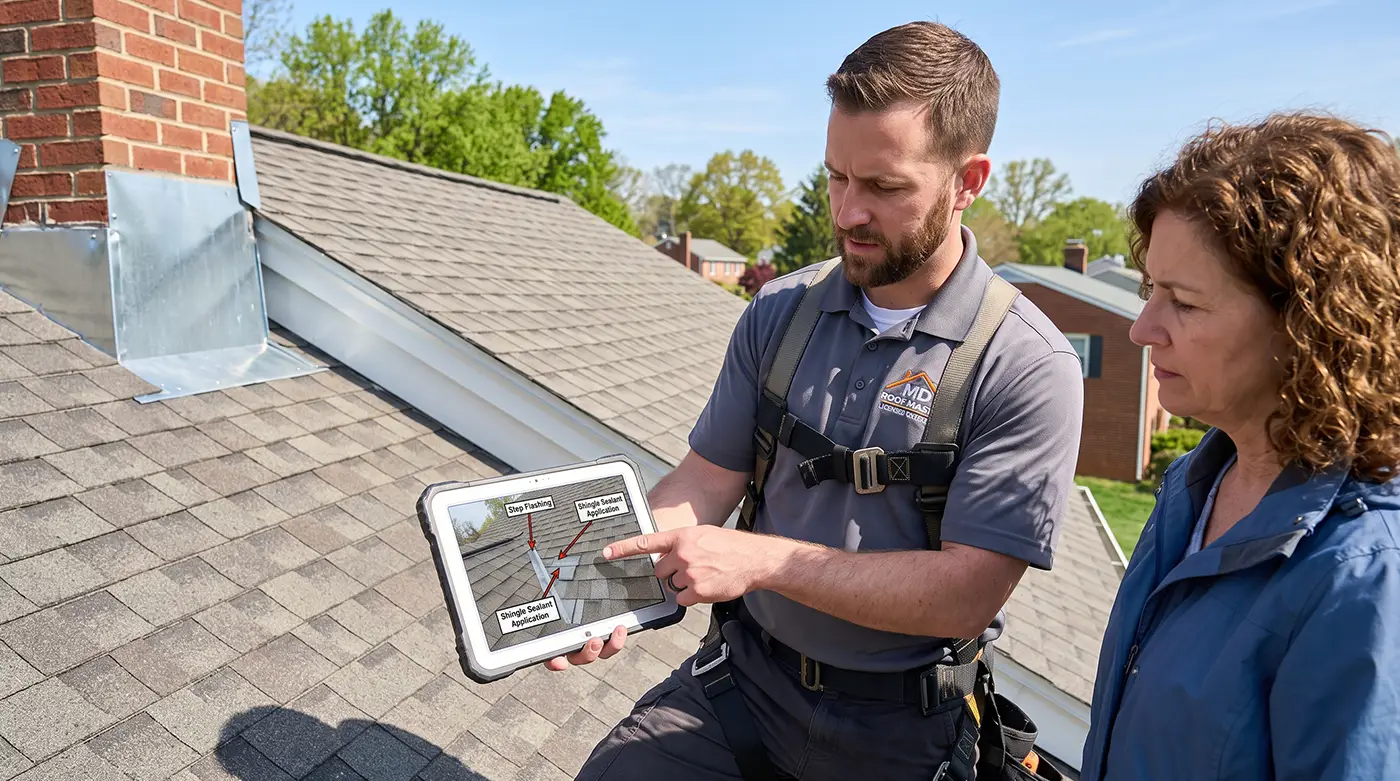
Major warning signs include demands for full payment before work begins, high-pressure “today only” pricing, vague one-line estimates, refusal to provide insurance documentation, reluctance to show licensing information, unexplained cash-only demands, or promises that an insurance claim is guaranteed.
A roofer can inspect storm damage, document visible conditions, and prepare repair or replacement information, but homeowners should be cautious of anyone who guarantees insurance coverage or pressures them to sign before the project scope is clear.

Ask These Questions Before Hiring a Roofer
- Is your contractor license active for this work?
- Can you provide current proof of insurance?
- Who will supervise the roofing project?
- What exact materials and roofing system are included?
- How will damaged decking or hidden conditions be priced?
- Are flashing, ventilation, permits, disposal, and cleanup included?
- What workmanship and manufacturer warranties apply?
- How are change orders approved?
- What is the payment schedule?
- Who handles post-project warranty service?
Clear, specific answers indicate an organized roofing company. Evasive or inconsistent answers are a reason to continue comparing contractors.
Conclusion
The most reliable roofer is not simply the contractor with the lowest estimate or fastest start date. Homeowners should verify licensing and insurance, compare detailed scopes, evaluate system-specific experience, review warranty terms, and reject high-pressure tactics. For homeowners in Columbia and nearby Maryland communities, A1 Roofing’s KangaRoof provides written estimates and practical repair or replacement recommendations. Review our roofing services or contact us to discuss a project.
FAQ
How can I tell if a roofing contractor is legitimate?
Verify the contractor’s state license, insurance, business identity, written contract, recent reviews or references, and verifiable local presence. The information should be consistent across the proposal, license record, insurance certificate, and company website.
How many roofing estimates should I get?
We recommend comparing multiple written estimates when the situation is not an emergency. Each proposal should cover the same basic scope, materials, warranties, and assumptions so the comparison reflects value rather than an incomplete low bid.
What should be included in a roofing contract?
A roofing contract should identify the contractor, license information, project address, detailed scope, materials, total price, payment schedule, estimated timing, change-order procedure, cleanup responsibilities, and applicable workmanship and manufacturer warranties.