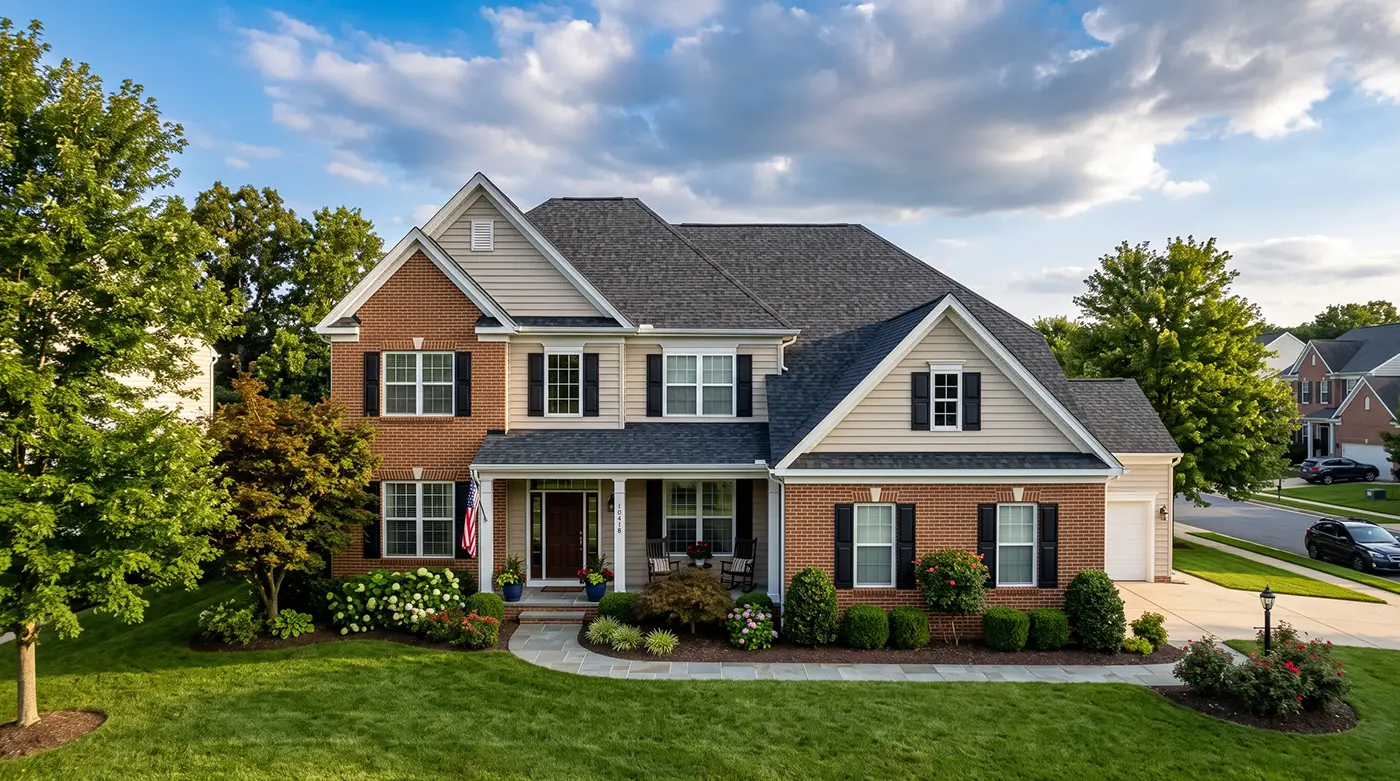
Choosing asphalt shingles is more than a color decision. At A1 Roofing’s KangaRoof in Columbia, MD, we evaluate shingle construction, wind and impact performance, roof slope, ventilation, exposure, warranty requirements, and deck condition before recommending a system. For Maryland homeowners, the right shingle should balance installed cost, weather resistance, curb appeal, and expected ownership period.
Why Asphalt Shingles Work Well for Maryland Homes
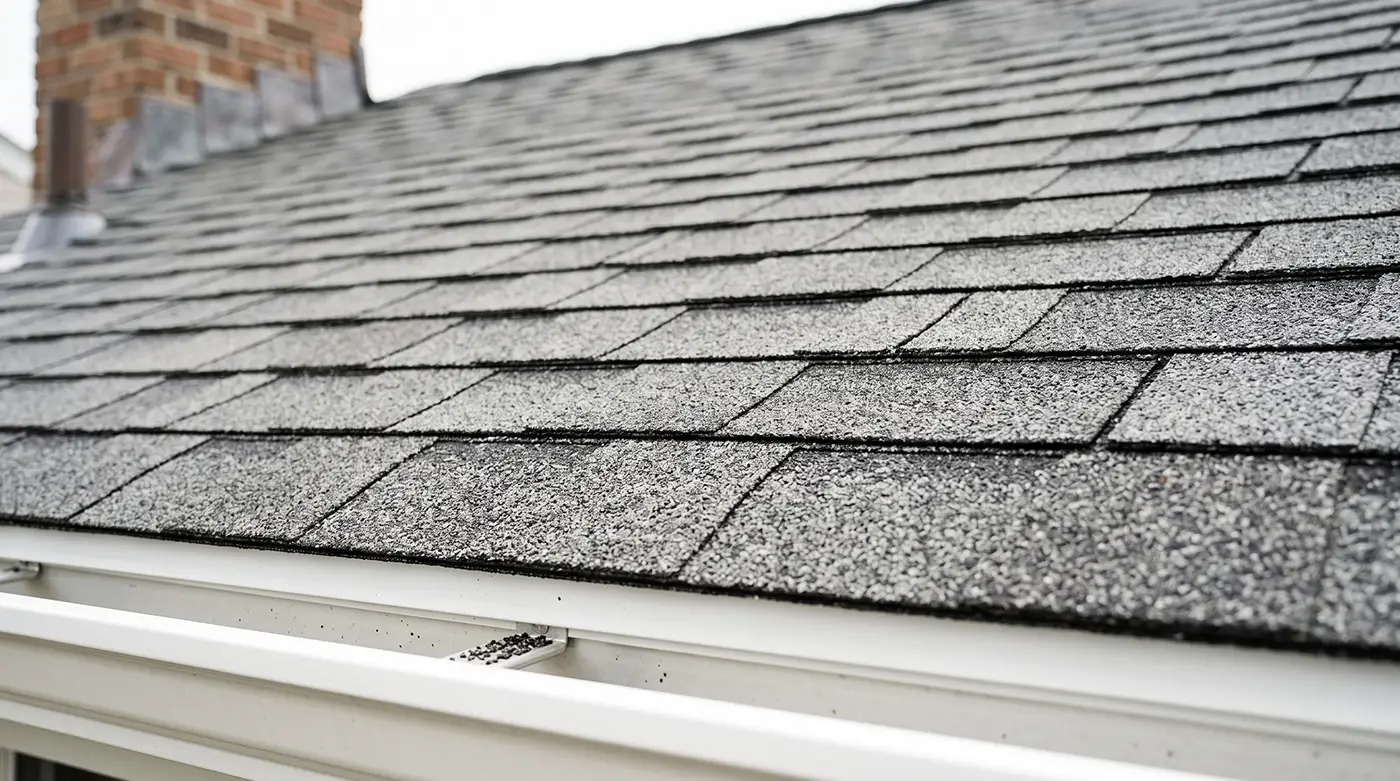
Modern asphalt shingles are built around a fiberglass mat coated with asphalt and surfaced with mineral granules. The mat reinforces the shingle, asphalt provides water resistance, and the granules protect the asphalt from ultraviolet exposure while adding color and texture.
That construction suits Columbia homes exposed to summer heat, heavy rain, winter freeze-thaw cycles, thunderstorms, and periodic high winds. Our asphalt roofing services treat the roof as a complete system because underlayment, starter shingles, flashing, ventilation, fastening, and ridge caps all affect long-term performance.
Three-Tab Asphalt Shingles
Three-tab shingles have a flat, uniform profile with cutouts that create three visible tabs. Their main advantage is lower upfront cost, making them suitable for budget-driven projects, detached structures, or homes where a basic appearance is acceptable.
Their tradeoff is less dimensional depth and, depending on the product, fewer premium performance features than laminated shingles. We normally compare them directly with architectural options before a roof replacement because the price difference may be justified by appearance and product specifications.

Architectural Shingles: The Standard Upgrade
Architectural shingles, also called dimensional or laminated shingles, use laminated sections to create deeper shadow lines and a thicker appearance than three-tab products. Many lines are designed to resemble wood shake while remaining asphalt-based.
For many Columbia homes, they offer the strongest balance of price, appearance, availability, warranty options, and weather performance. We install products from established manufacturers, including Owens Corning and CertainTeed, and match the roofing system to roof geometry, exposure, manufacturer instructions, and HOA requirements.
Designer and Premium Asphalt Shingles
Designer shingles create more pronounced profiles that may imitate slate or cedar shake. They generally cost more than standard architectural shingles but can be appropriate when the roof is a major architectural feature or the homeowner wants a distinctive high-end appearance.
Before installation, we verify that the selected shingle, starter course, hip-and-ridge products, flashing details, ventilation, and underlayment are compatible. A premium shingle installed as part of a poorly coordinated roof system does not deliver premium performance.
Compare Asphalt Shingle Wind Ratings, Not Marketing Terms
A thicker-looking shingle is not automatically more wind resistant. The Asphalt Roofing Manufacturers Association’s shingle testing standards explain that ASTM D7158 evaluates uplift resistance, while ASTM D3161 uses a fan-induced method. ARMA notes that “Class H represents the highest (best) wind resistance level” under ASTM D7158.
Homeowners should compare the exact product rating and installation requirements rather than relying on labels such as “heavy-duty.” Starter-strip placement, nail location, nail quantity, deck condition, and proper sealing are critical to achieving tested performance.
Impact-Resistant Shingles for Storm Exposure
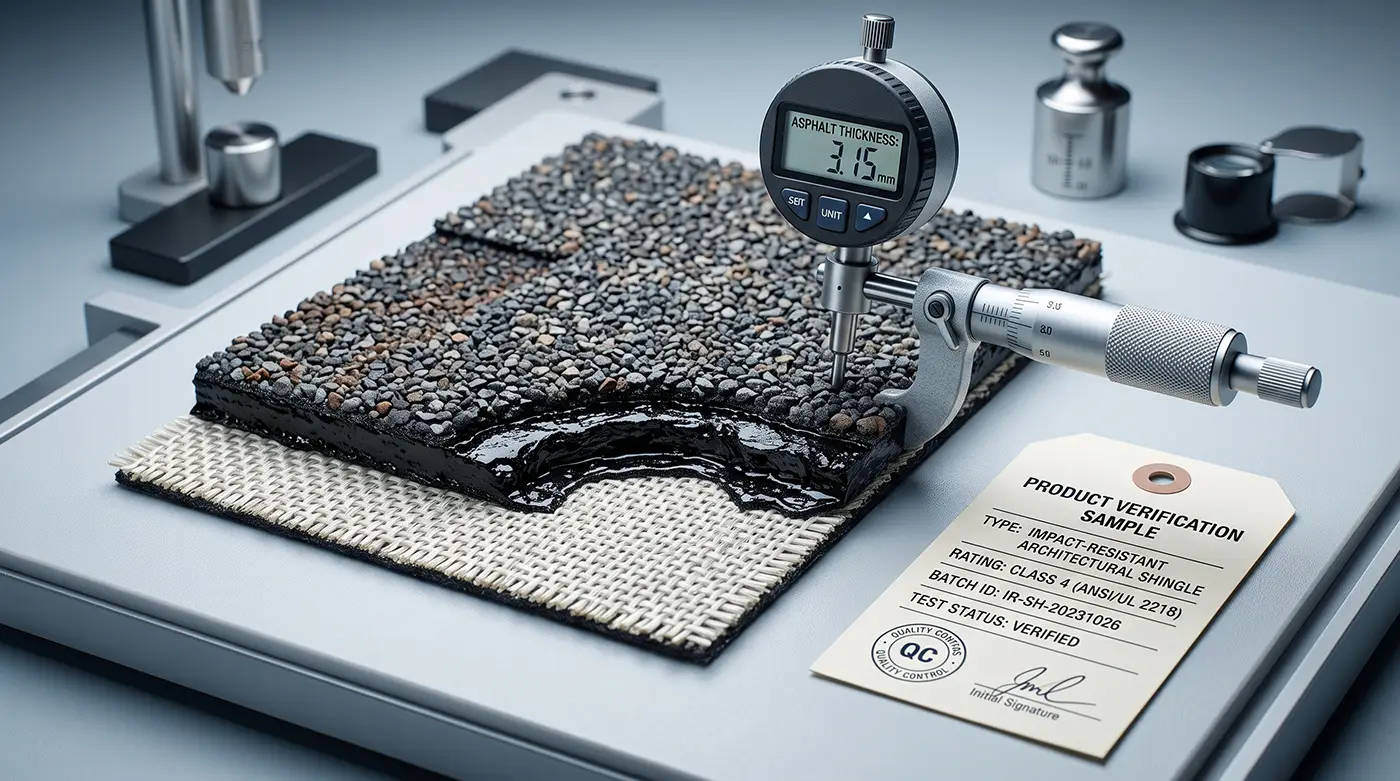
Impact-resistant shingles can be useful for roofs exposed to hail, falling branches, and severe storms. The UL 2218 impact-resistance standard produces four ratings—Class 1, Class 2, Class 3, and Class 4—with Class 4 representing the highest classification in the test.
Class 4 does not mean damage-proof. UL explains that UL 2218 primarily evaluates physical breach damage and does not fully account for visible effects such as denting or granule loss. We therefore treat impact resistance as one performance factor rather than a guarantee against every storm-related repair or insurance claim.
Algae Resistance and Asphalt Shingle Color
Dark streaks on asphalt roofs are commonly associated with algae growth in humid environments. Many current shingle lines use algae-resistant granules or copper-containing technology intended to reduce discoloration. Homeowners should compare the manufacturer’s stated algae-resistance coverage and duration rather than assume every shingle provides equal protection.
Color should coordinate with siding, brick, stone, trim, gutters, and other permanent exterior elements. Because the roof occupies a large visible area, we recommend reviewing full-size shingle samples outdoors under natural light instead of selecting a color solely from a small printed or digital sample.
When Shingle Repair Is Enough — and When Replacement Is Smarter
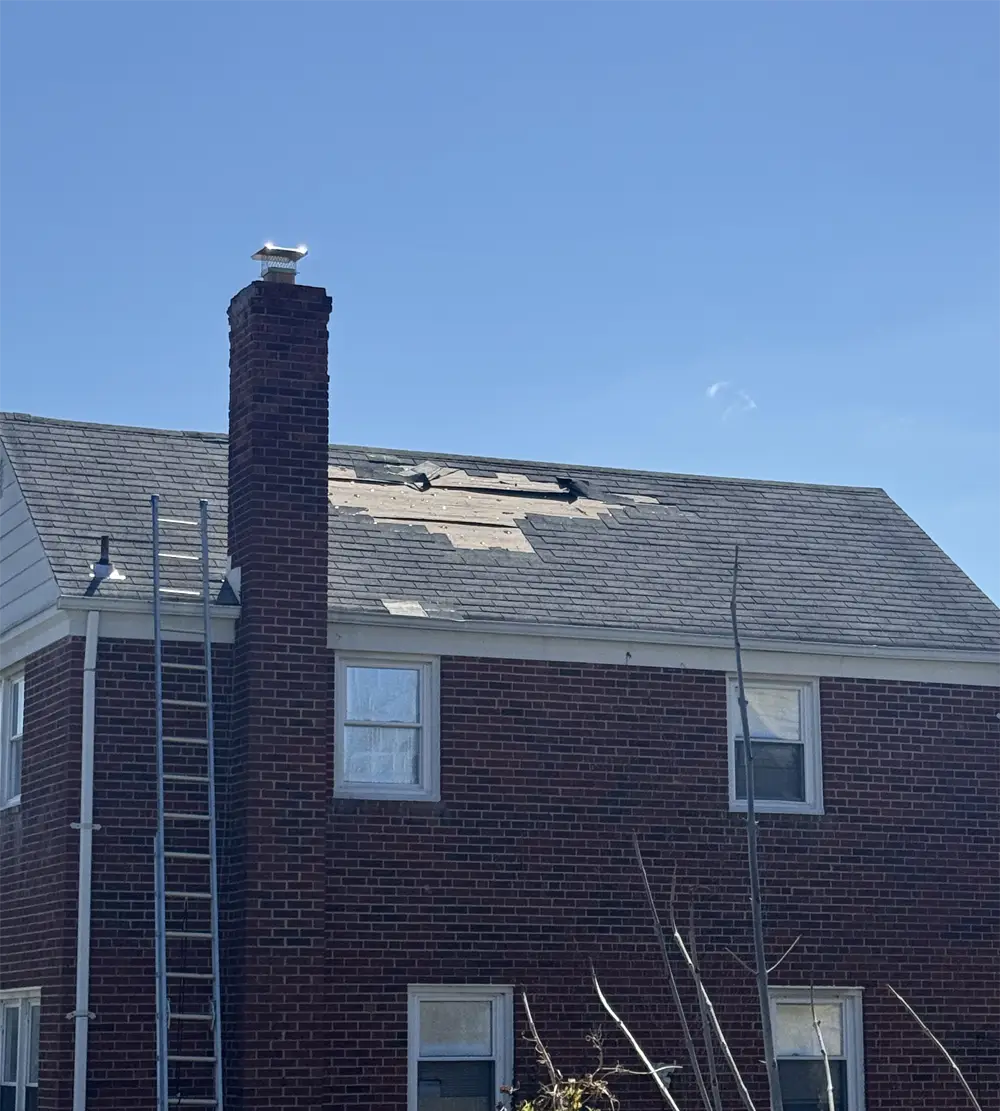
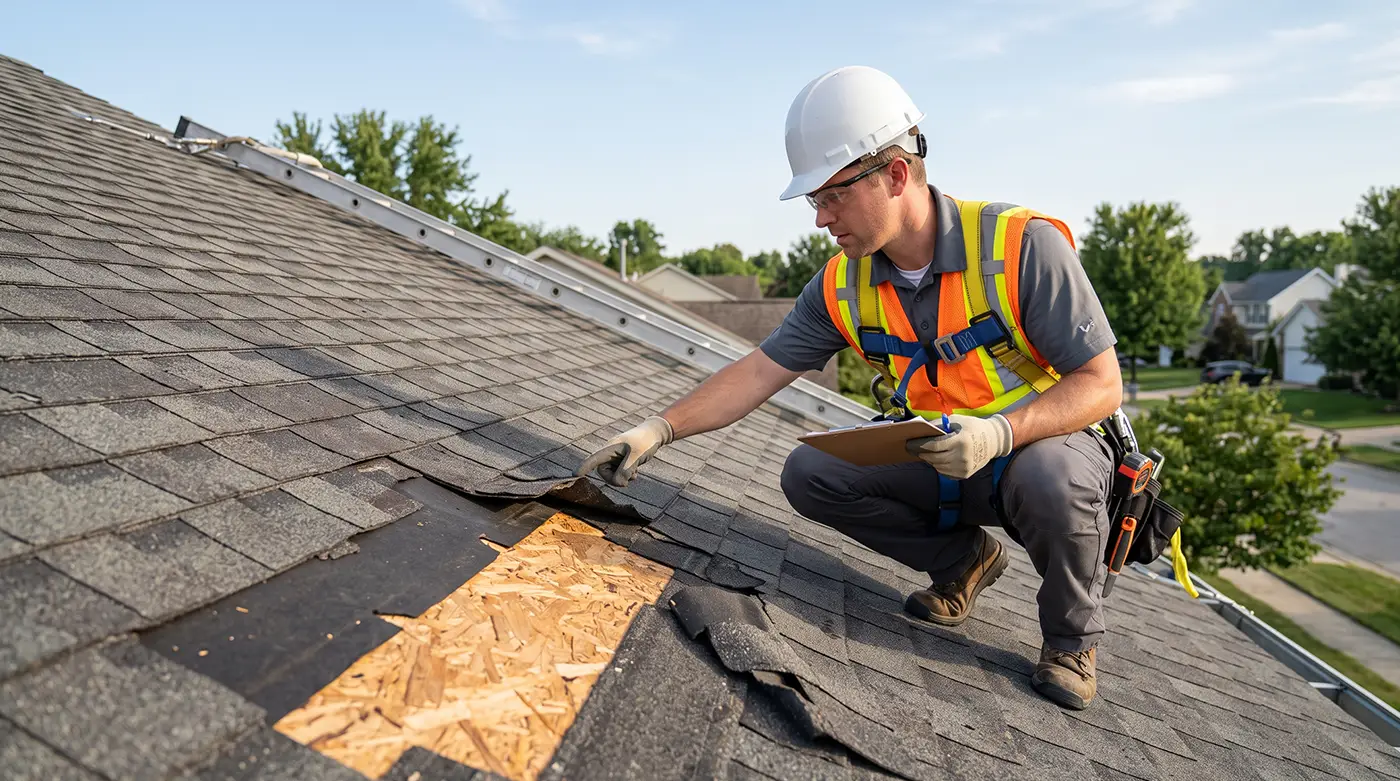
A localized roof repair may be appropriate when damage is limited, matching shingles remain available, flashing can be corrected, and the surrounding roof is still serviceable. A few missing shingles, isolated wind damage, or one localized leak do not automatically require complete replacement.
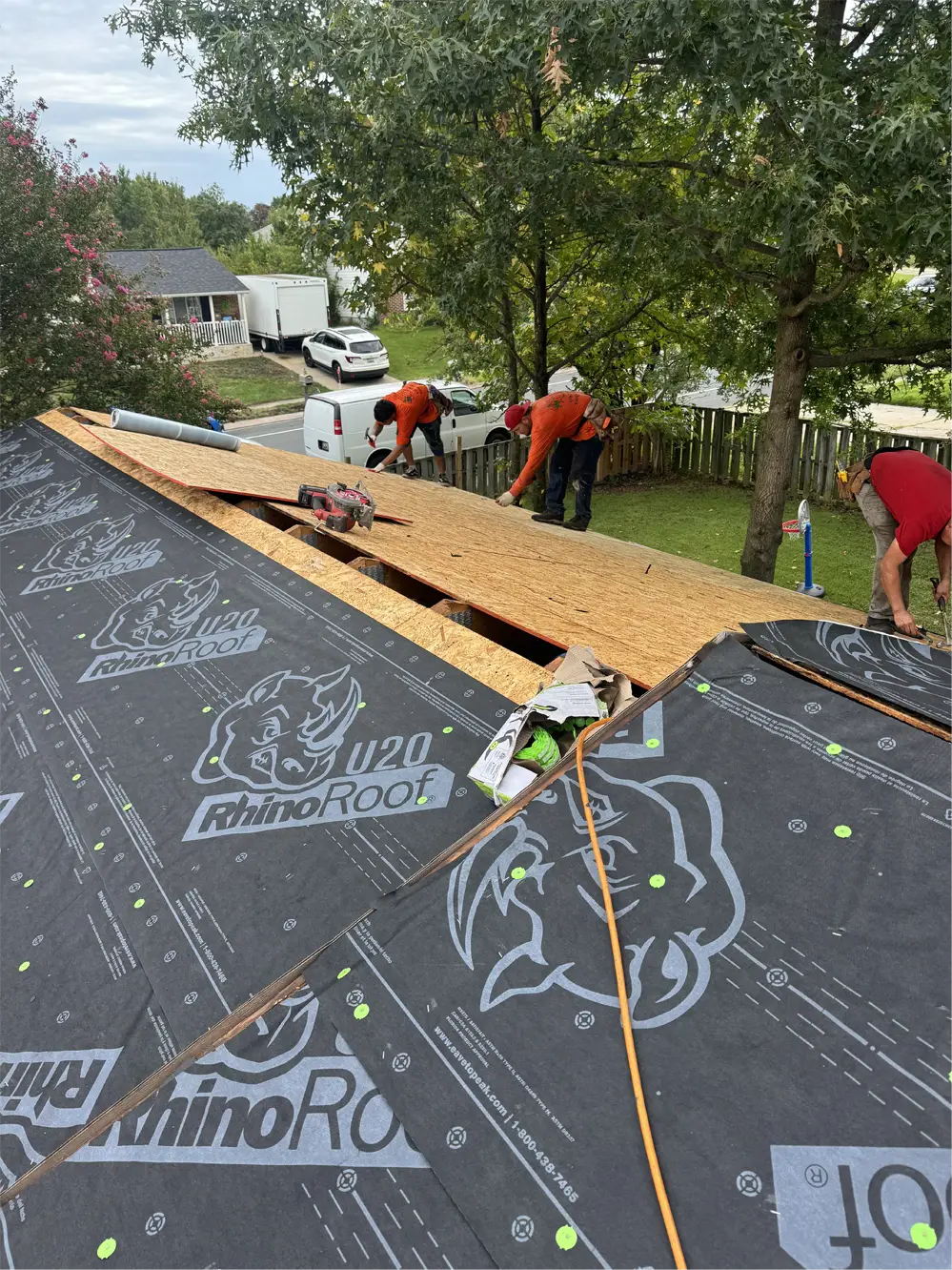
Replacement becomes more practical when there is widespread cracking, curling, significant granule loss, repeated leakage, extensive storm damage, or deterioration across multiple roof slopes. Tear-off also exposes the roof deck, allowing deteriorated or damaged sheathing to be identified before the new underlayment and shingles are installed.
How We Select the Right Asphalt Shingle
We compare roof condition, slope, weather exposure, ventilation, architectural style, budget, warranty priorities, and expected ownership period. Homeowners planning to remain in the property long term may place greater value on upgraded architectural, impact-resistant, or designer shingles, while a tighter budget may favor a dependable standard architectural system.
For a property-specific recommendation, homeowners can contact our roofing team to schedule an inspection and compare appropriate asphalt shingle systems for their Columbia-area home.
Conclusion
The best asphalt shingle is not defined by one feature. A durable roof combines the appropriate shingle type with verified wind and impact performance, compatible accessories, sound decking, accurate fastening, proper ventilation, and professional installation. Comparing three-tab, architectural, designer, impact-resistant, and algae-resistant shingles as complete roofing systems leads to a stronger roofing decision for Columbia, Maryland homes.
FAQ
What type of asphalt shingle is best for most Columbia, MD homes?
Architectural shingles are often the most practical choice because they combine dimensional appearance, broad product selection, and upgraded performance options without the higher cost associated with designer shingles.
Are Class 4 shingles worth it in Maryland?
They can be valuable for homes with greater exposure to hail or storm debris, but Class 4 indicates performance in a standardized impact test, not immunity from damage. Cost, roof exposure, warranty terms, and insurance considerations should also be reviewed.
Can new shingles be installed over old shingles?
Some roof conditions may permit a roof-over, but tear-off provides direct access to the roof deck and makes concealed deterioration easier to identify. We evaluate existing layers, decking, flashing, ventilation, and manufacturer requirements before recommending an installation method.