
Attic ventilation is a critical aspect of maintaining the structural integrity and comfort of your home. Proper ventilation ensures that your attic remains dry, free from mold, and maintains an optimal temperature, which in turn affects the overall energy efficiency of your home. In this guide, we’ll delve deep into the importance of attic ventilation, the signs of poor ventilation, and the steps you can take to rectify it.
Recognizing the Signs of Inadequate Attic Ventilation
Before you can address the issue, it’s essential to recognize the signs that indicate poor attic ventilation. Here are some of the most common symptoms:
1. Frequent HVAC Repairs
If you find yourself constantly calling for HVAC repairs despite no apparent changes, it might be an indication of a deeper issue. Poor attic ventilation can strain your HVAC system, leading to frequent breakdowns.
2. Escalating Energy Bills
A sudden spike in your energy bills, especially during extreme weather conditions, can be a sign of inadequate attic ventilation. Proper ventilation ensures efficient heating and cooling, keeping your bills in check.
3. Presence of Rust
Rust on metal surfaces, especially on nails, electrical boxes, and HVAC equipment in your attic, is a clear sign of moisture buildup due to poor ventilation.
4. Warped Shingles
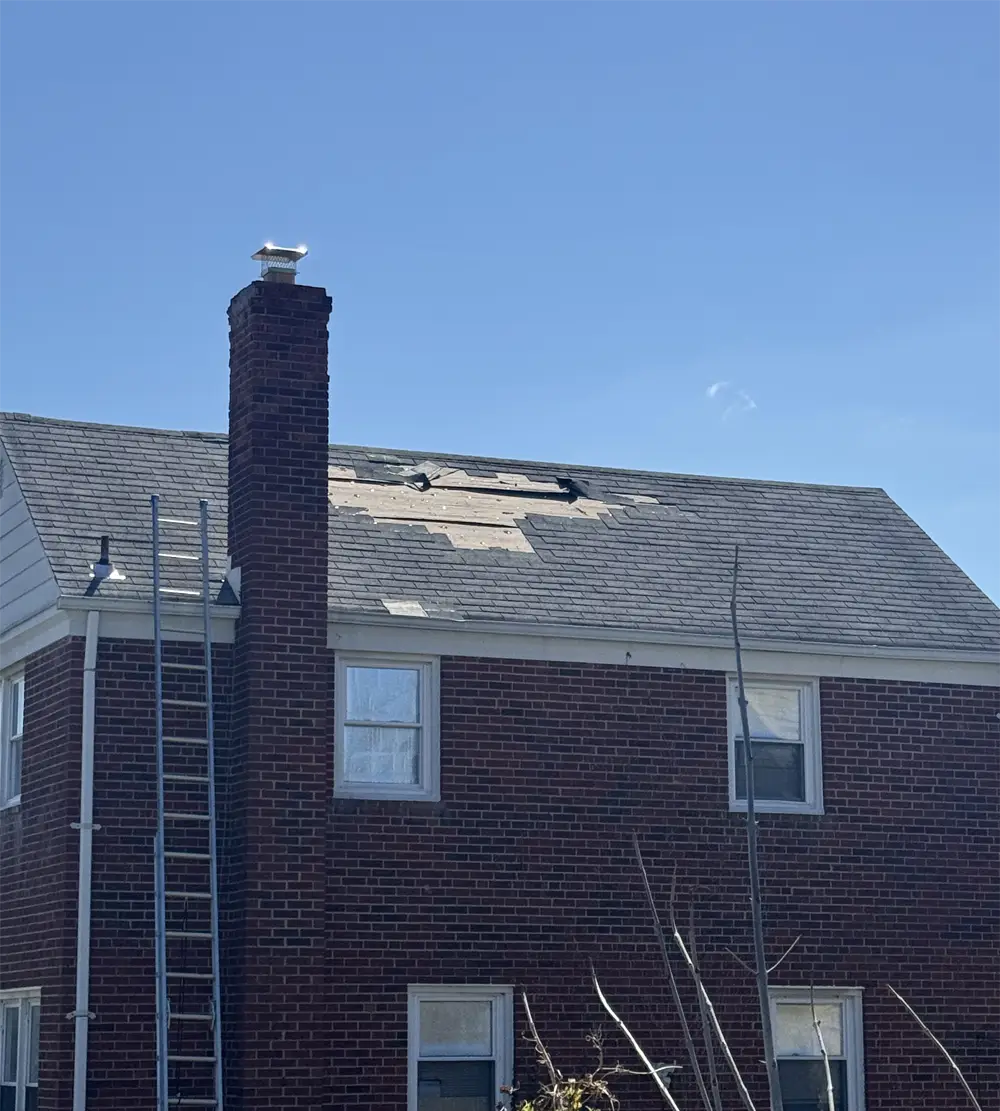
If your roof shingles appear distorted or misshapen, it could be due to underlying ventilation issues affecting the roof structure.
5. Moisture on Roof Sheathing
Signs of moisture, such as water stains, decay, mildew, or mold on the roof sheathing, are direct indicators of a ventilation problem.
6. Respiratory Issues
Unexplained respiratory problems or allergies can be caused by mold and fungus growth, often resulting from inadequate attic ventilation.
Effective Solutions for Improving Attic Ventilation
Once you’ve identified the problem, the next step is to find a solution. Here’s what you can do:
1. Consult a Professional
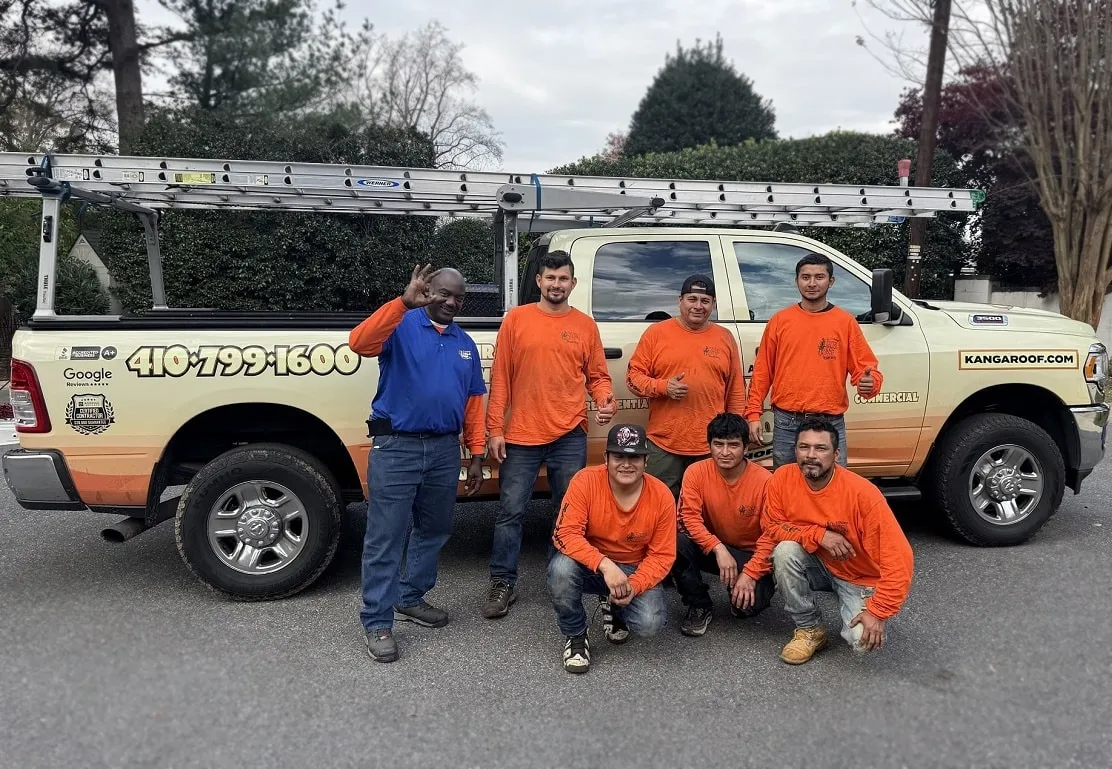
Reach out to a reputable roofing company in Columbia MD, like A1 KangaRoof, to get a thorough inspection of your attic. They can provide expert advice on the best ventilation solutions tailored to your home’s needs.
2. Install Ridge and Soffit Vents
These vents ensure a continuous flow of air, helping to maintain an optimal temperature in the attic and preventing moisture buildup.
3. Upgrade to a Better Insulation
Proper insulation can significantly improve the efficiency of your attic ventilation, ensuring that conditioned air doesn’t escape, leading to energy savings.
4. Regular Maintenance
Regularly inspect and clean your vents to ensure they’re free from obstructions. This will ensure a consistent airflow in and out of the attic.
Why Choose A1 KangaRoof?
At A1 KangaRoof, we pride ourselves on delivering top-notch roof repair service in Columbia MD. With years of experience and a team of dedicated professionals, we ensure that your attic ventilation issues are addressed effectively and efficiently. Whether you’re looking for a roofing contractor in Columbia MD or need advice on improving your attic’s ventilation, A1 KangaRoof is here to assist.
Conclusion
Attic ventilation is more than just ensuring airflow; it’s about safeguarding the health of your home and its occupants. By recognizing the signs of poor ventilation and taking proactive steps to address them, you can ensure a comfortable, energy-efficient, and safe living environment. Remember, when in doubt, always consult with professionals like A1 KangaRoof to get the best solutions tailored to your needs.