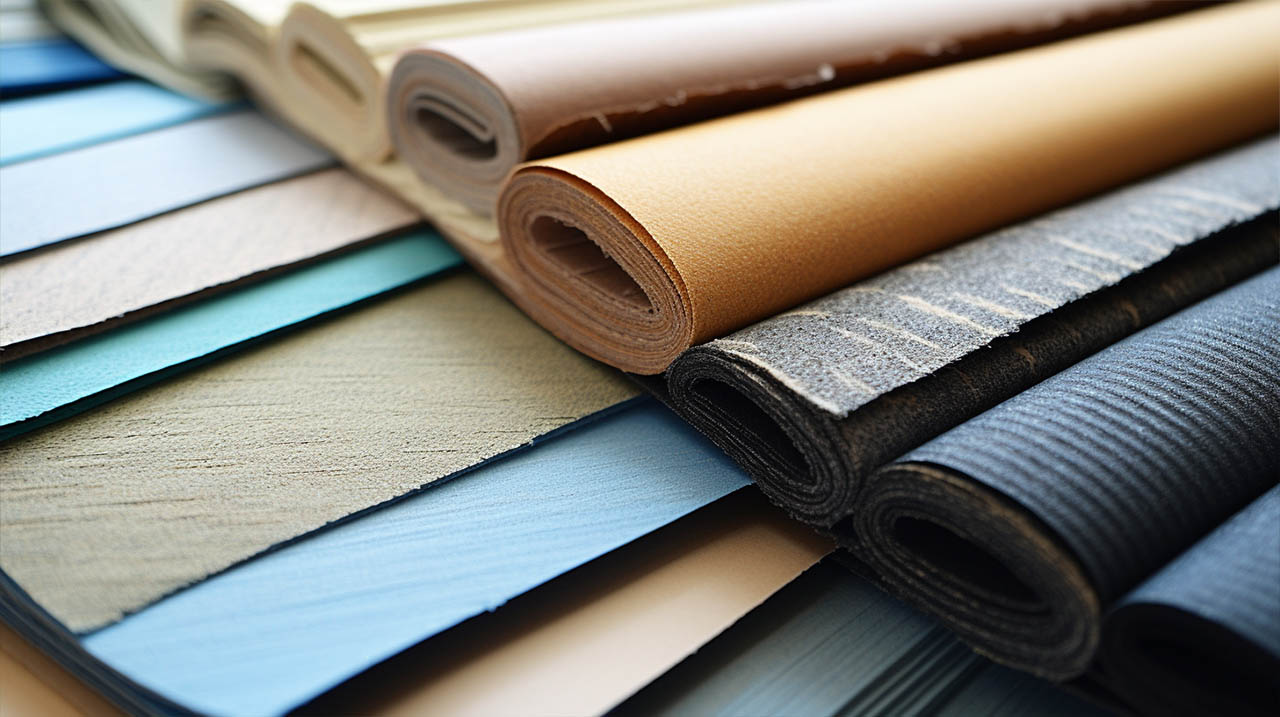
Roof underlayment plays a pivotal role in ensuring the longevity and durability of your roof. It’s the unsung hero that provides a protective barrier between your roof shingles and the roof decking. Let’s delve deep into the three primary types of roof underlayment and understand their significance, advantages, and potential drawbacks.
1. Asphalt-Saturated Felt (Felt Paper)
Asphalt-saturated felt, commonly known as felt paper, has been a staple in the roofing industry for years. It’s primarily made from either organic or fiberglass substrate, with the organic variant being more prevalent.
Advantages:
- Moisture Management: It’s less prone to moisture damage at the overlaps compared to synthetic underlayments.
- Seepage Barrier: When applied in thick layers, it acts as an effective barrier against seepage.
- Ease of Installation: Installing asphalt-saturated felt is straightforward, requiring only staples or roofing nails.
Drawbacks:
- Water Absorption: It tends to absorb water faster than its counterparts, potentially leading to quicker degradation.
- UV Sensitivity: It’s not UV-resistant, necessitating swift coverage post-installation to prevent damage.
- Durability Concerns: It’s susceptible to tears and doesn’t have the longevity of some modern underlayments.
2. Rubberized Asphalt
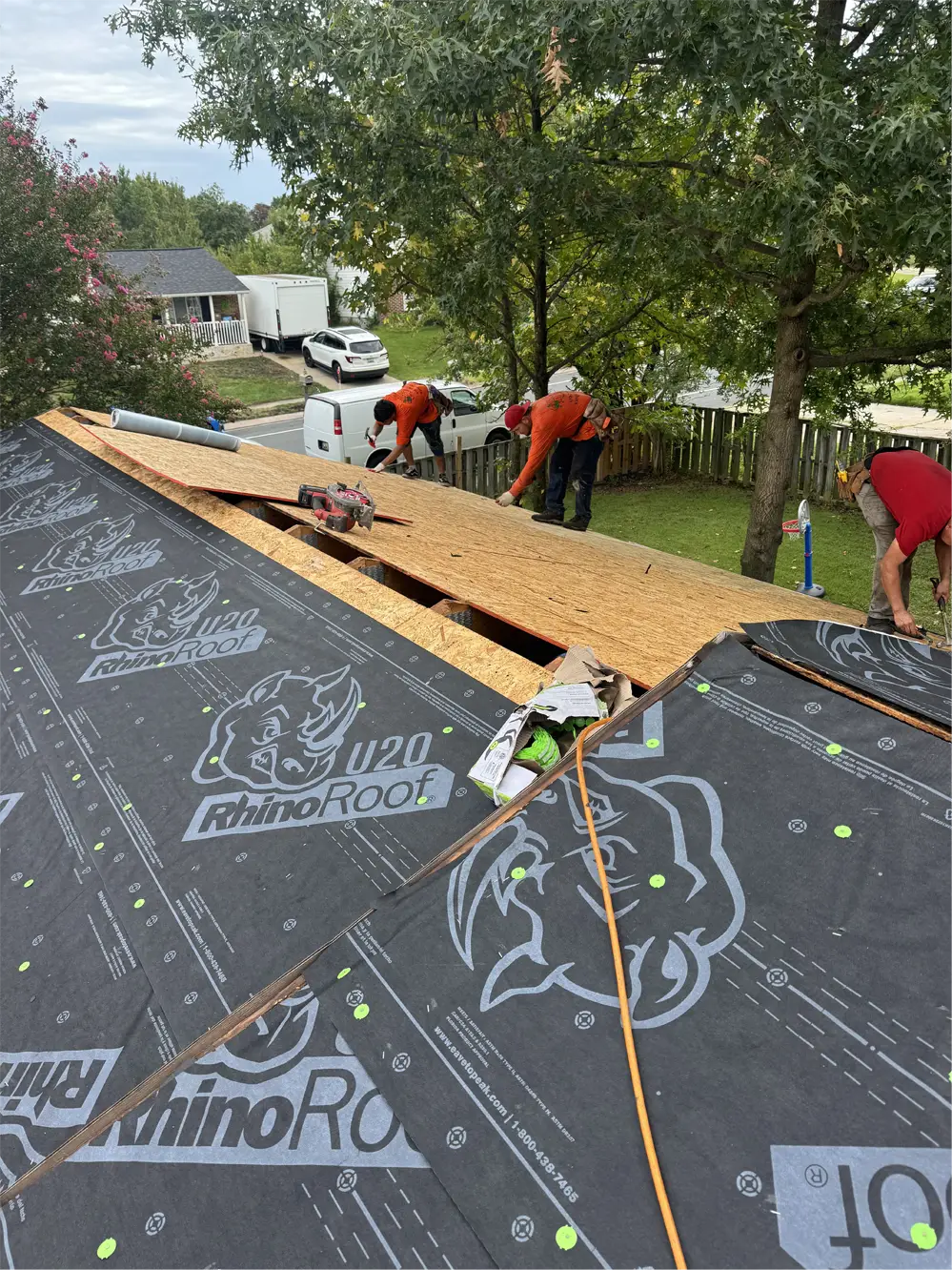
A blend of rubber polymers and asphalt, rubberized asphalt underlayment is the epitome of waterproofing solutions for roofs.
Advantages:
- Waterproofing Excellence: It’s the only fully waterproof underlayment available today.
- Installation Efficiency: Despite its premium price, its installation is cost-effective and straightforward.
- Durability: Resistant to UV rays and weather changes, it can last up to 50 years.
- Easy Repairs: Any tears can be quickly mended with the right tape.
Drawbacks:
- Cost: It’s the priciest option among the underlayments.
- Professional Installation: You’ll need a specialist, like those at Kanga Roof, to ensure proper installation.
3. Non-Bitumen Synthetics (Synthetic Felt Paper)
A modern alternative to traditional felt paper, non-bitumen synthetics are made from a blend of fiberglass or polyester and polyethylene or polypropylene.
Advantages:
- Superior Strength: It’s up to 12 times stronger than felt underlayment.
- Heat Tolerance: It remains intact even in extreme heat.
- Eco-friendly: All its components are recyclable.
- Extended Exposure: It can remain exposed for up to 180 days without any top protection.
Drawbacks:
- Cost: It can be up to five times more expensive than asphalt felt underlayment.
Why Roof Underlayment is Essential
Roof underlayment is not just an additional layer; it’s a necessity. Here’s why:
- Protection Against Elements: It offers an added shield against storms and adverse weather conditions.
- Cost Efficiency: It prevents water damage, saving homeowners from potential repair costs.
- Aesthetic Appeal: It ensures your roof remains flat, enhancing the curb appeal.
- Energy Efficiency: It can contribute to better insulation, leading to energy savings.
- Extended Roof Life: It can significantly increase the lifespan of your roof.
For those in Columbia MD
Considering a roof replacement or seeking a reliable roof repair service, Kanga Roof is a trusted name. As a leading roofing company in Columbia MD, we prioritize quality and customer satisfaction. Remember, the right underlayment can make all the difference in the longevity and performance of your roof.