Maryland roofs face a demanding combination of summer heat, high humidity, heavy rain, thunderstorms, wind, occasional hail, snow, and repeated winter freeze-thaw cycles. At A1 Roofing’s KangaRoof in Columbia, MD, we evaluate durability as more than a manufacturer’s advertised lifespan. A durable roof must resist moisture, wind uplift, thermal movement, impact damage, and material deterioration while remaining practical to inspect and repair throughout its service life.
What Makes a Roofing Material Durable in Maryland?
The longest-lasting roof on paper is not automatically the best roof for every Maryland home. Roof pitch, structural capacity, ventilation, surrounding trees, sun exposure, installation quality, flashing details, and maintenance all influence actual service life.
For homeowners comparing materials before a roof replacement, these are realistic service-life ranges rather than guarantees:
| Roofing Material | Typical Service Life | Primary Durability Advantage |
| Natural slate | 60–125+ years | Exceptional longevity |
| Standing-seam metal | 40–70+ years | Wind, moisture, and heat resistance |
| Clay tile | 50–100+ years | Long-lasting inorganic material |
| Concrete tile | 40–75 years | Strength and weather resistance |
| Synthetic composite | 30–50+ years | Impact resistance with lower weight |
| Architectural asphalt shingles | 20–35+ years | Strong cost-to-performance ratio |
| Cedar shingles/shakes | 20–40 years | Repairability and natural appearance |
Actual performance depends heavily on product specifications, roof design, workmanship, exposure, and maintenance.
1. Natural Slate: The Longest-Lasting Traditional Roof
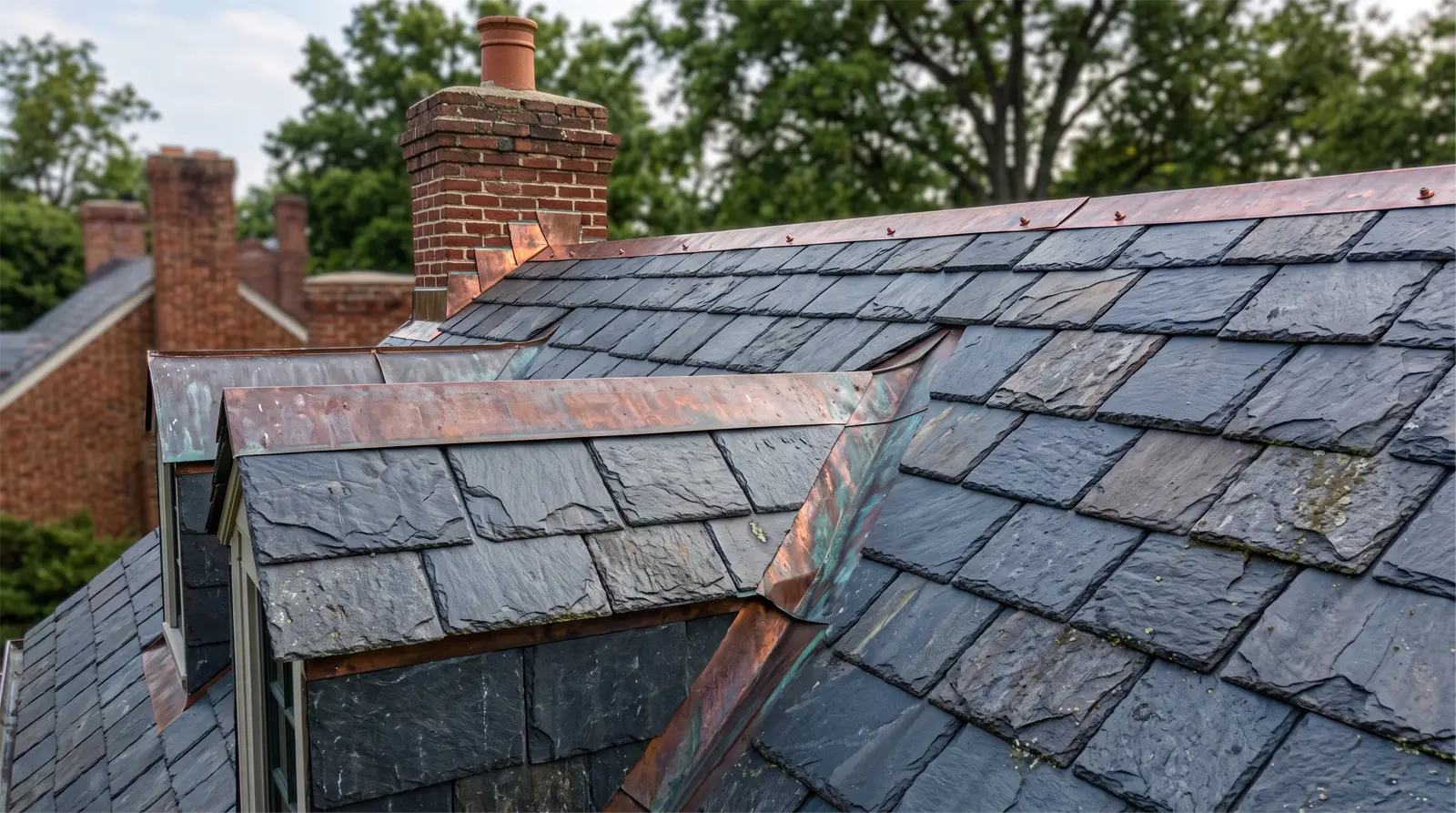
Natural slate remains the durability benchmark for steep-slope roofing. Unlike petroleum-based or organic products, quality slate does not rot, absorb significant moisture, or degrade rapidly under ultraviolet exposure.
The National Park Service reports that properly installed slate roofs can last 60 to 125 years or longer, with some slates remaining serviceable for more than 200 years.
The tradeoff is weight and installation complexity. Before installing slate, we must verify that the roof framing can support the assembly. Copper or similarly durable flashing is also important because installing short-lived flashing around a century-grade roof covering creates an unnecessary weak point.
2. Standing-Seam Metal Roofing: Excellent for Maryland Weather
Metal is one of the strongest choices for homeowners prioritizing long-term weather resistance without the structural weight of slate or tile. Properly specified standing-seam steel or aluminum roofing can remain functional for approximately 40 to 70 years or more.
Standing-seam systems conceal many fasteners beneath interlocking seams, reducing the number of exposed penetrations through the roof covering. Metal also sheds rain and snow efficiently and does not absorb moisture.
Durability depends on panel thickness, seam design, corrosion-resistant coatings, flashing workmanship, and compatible fasteners. Coastal exposure, tree debris, scratched coatings, or poorly designed transitions can shorten performance even when the metal panels themselves remain sound.
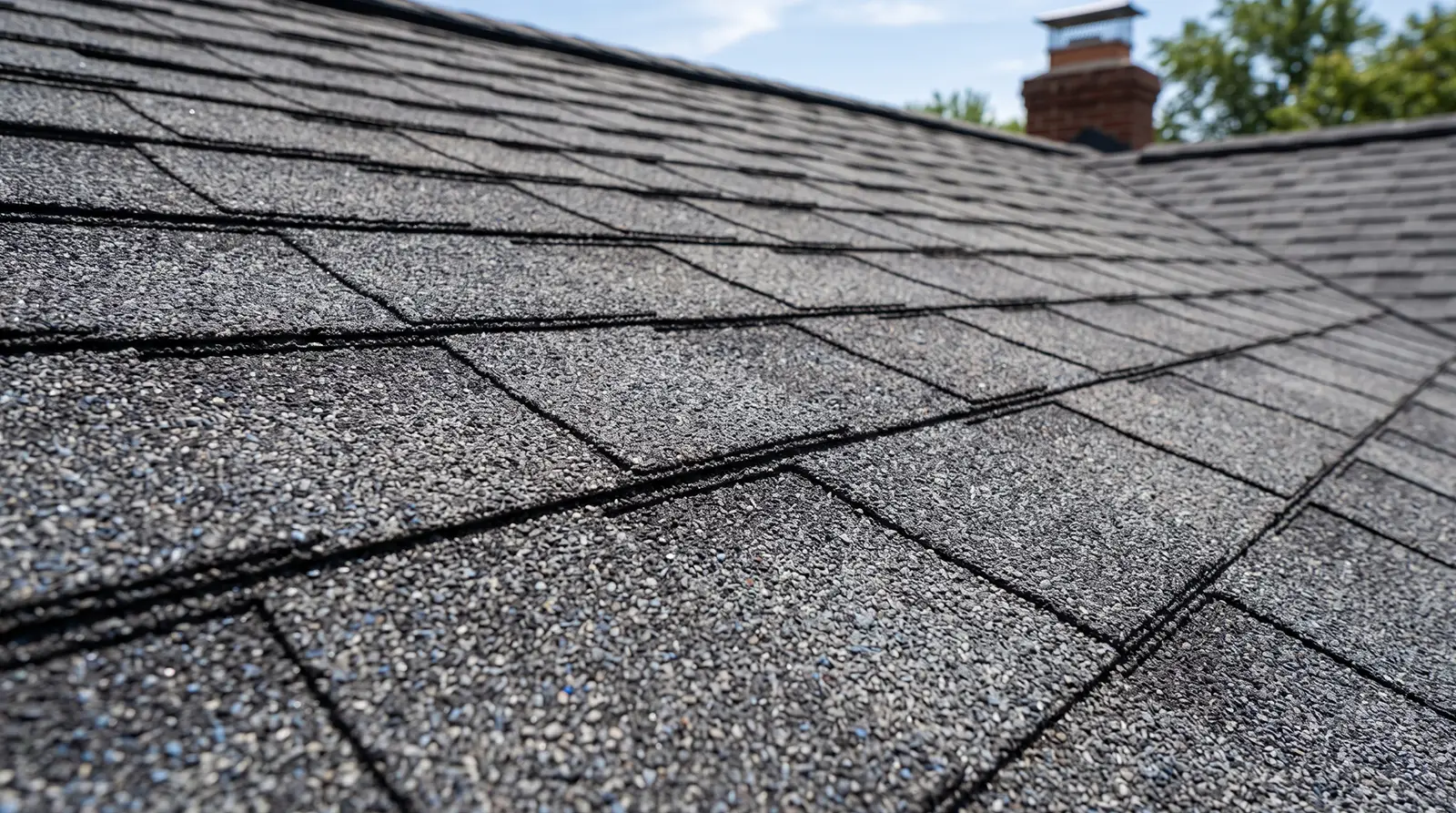
3. Architectural Asphalt Shingles: Best Balance of Durability and Cost
Asphalt remains one of the most practical choices for Maryland residential roofing because replacement components are readily available, repairs are straightforward, and modern architectural shingles provide substantially better dimensional stability than older three-tab products.
A quality asphalt roofing system may provide roughly 20 to 35 years of service, although exposure, ventilation, product grade, and installation can shift that range significantly. Manufacturer warranties may extend considerably longer than actual expected service life, so warranty length should never be treated as a guaranteed replacement interval.
For storm resistance, homeowners should compare tested products rather than relying exclusively on marketing terminology. UL 2218 impact-resistance testing classifies qualifying roofing products from Class 1 through Class 4, with Class 4 representing the highest rating under that test. An impact rating improves resistance but does not make any roof hail-proof.
4. Clay and Concrete Tile Roofing
Clay tile can remain serviceable for 50 to 100 years or more, while concrete tile commonly provides approximately 40 to 75 years under suitable conditions. Both resist insects, decay, and ultraviolet degradation better than many organic roofing products.
However, tile durability involves more than the visible tile. Underlayment, flashing, fasteners, roof penetrations, and drainage details may require attention before the tiles themselves reach the end of their useful life.
Tile is also substantially heavier than asphalt shingles. Structural capacity should therefore be verified before converting a lighter roof to clay or concrete. Individual tiles can also crack from impact or improper foot traffic.
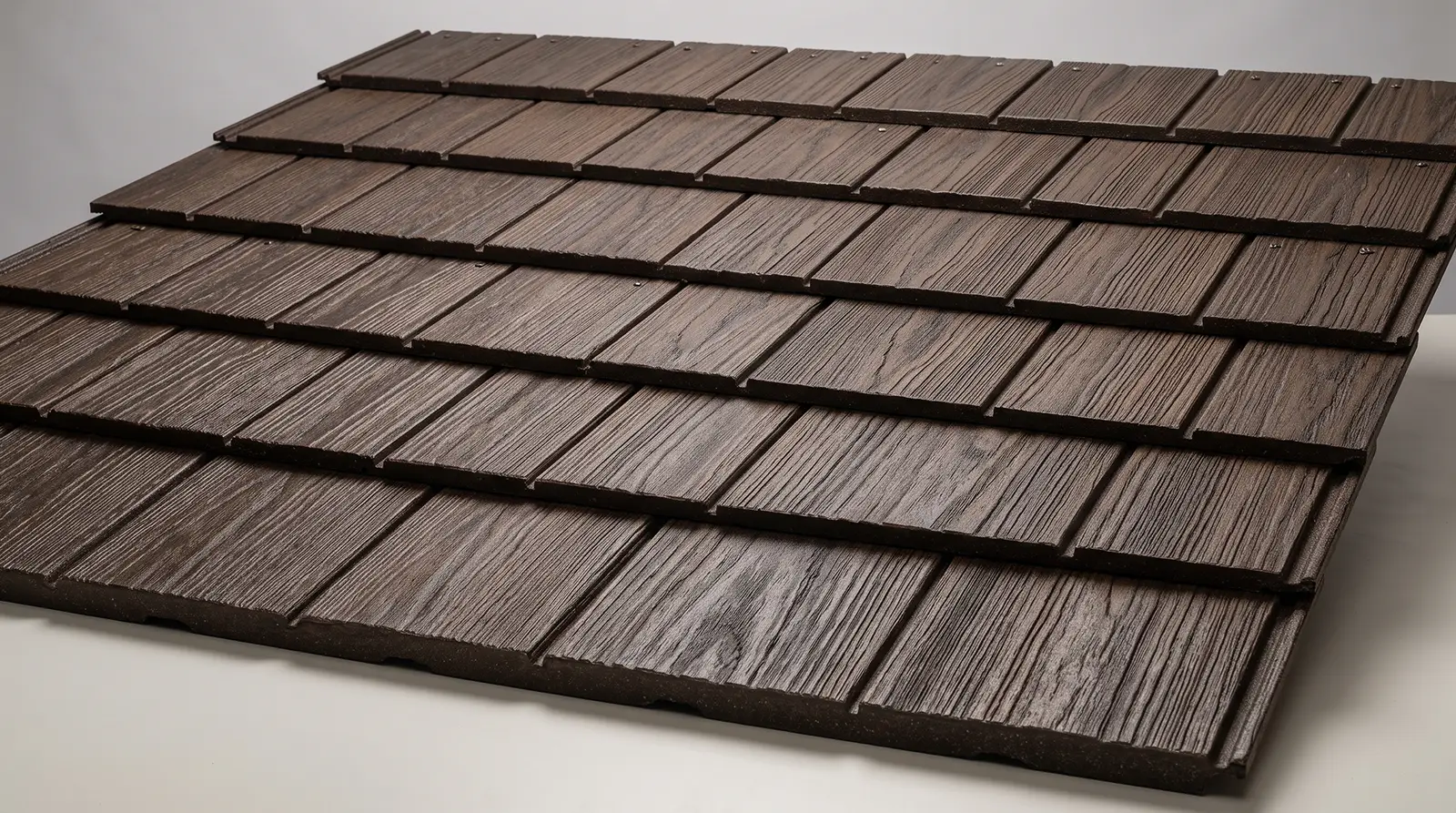
5. Synthetic Composite Roofing
Modern synthetic roofing can reproduce the appearance of slate, cedar, or tile while reducing weight and breakage concerns. Depending on the product, quality composite systems may provide approximately 30 to 50 years or more of service.
Their strongest advantage is engineered consistency. Certain products are designed specifically for impact resistance, moisture resistance, and dimensional stability. However, synthetic roofing varies significantly among manufacturers, so we evaluate product testing, approved installation methods, warranty terms, fastening requirements, and availability of matching replacement pieces before recommending a system.
6. Cedar Shingles and Shakes
Cedar can provide 20 to 40 years of service when installed in a roof assembly that allows proper drainage and drying. Individual damaged shakes are also relatively easy to replace.
Maryland humidity makes moisture management particularly important. Persistent shade, organic debris, poor airflow, and overhanging vegetation can encourage moss, algae, and premature wood deterioration. Cedar therefore requires more active maintenance than metal, slate, or high-quality asphalt.
Homeowners considering specialty materials should begin with a professional evaluation of their existing residential roofing system rather than selecting a material solely by lifespan.
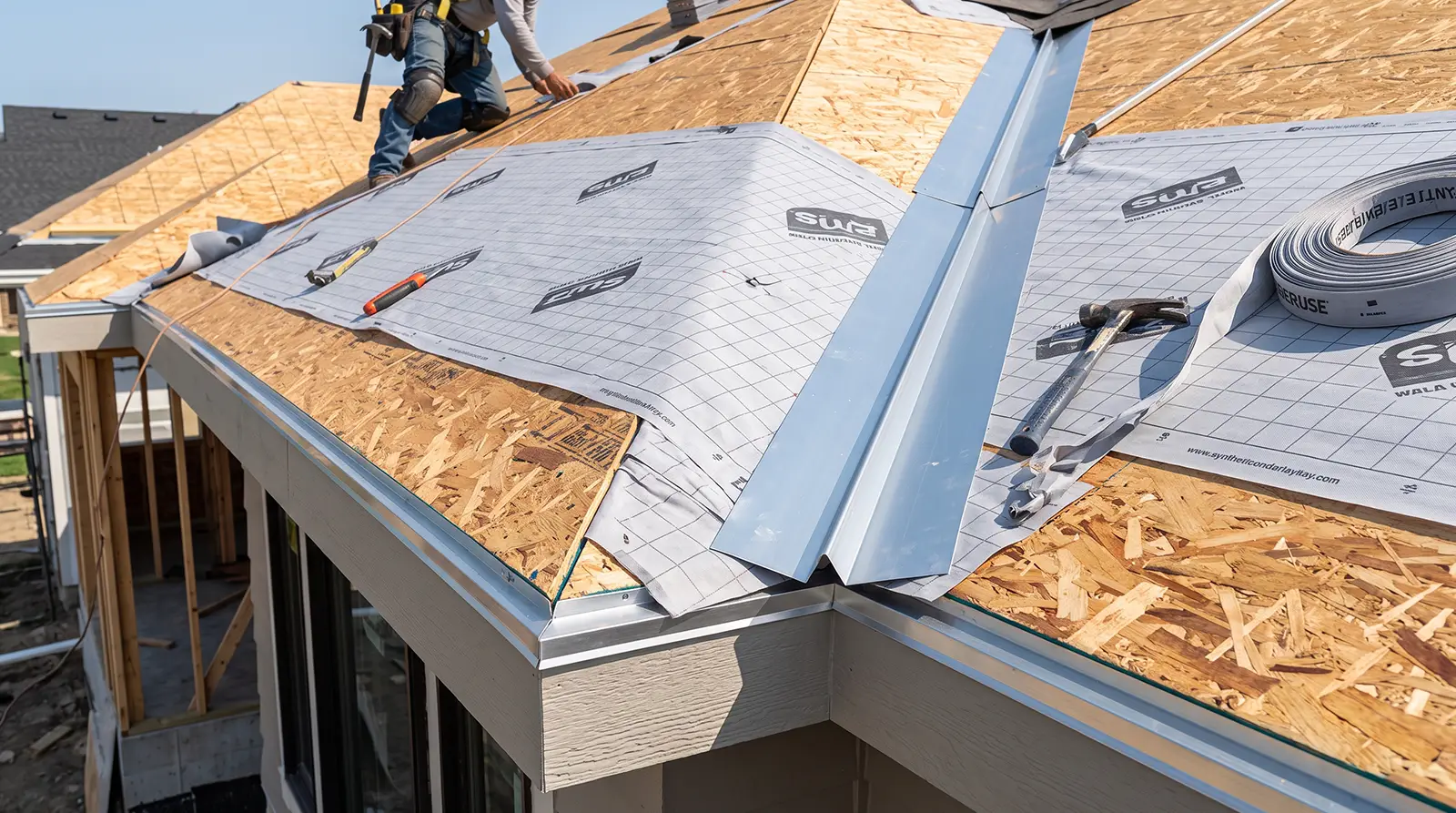
Durability Depends on the Entire Roofing System
Roof covering is only the outer layer. A 50-year material installed over damaged decking, poor ventilation, defective flashing, or improper underlayment will not perform like a 50-year roof.
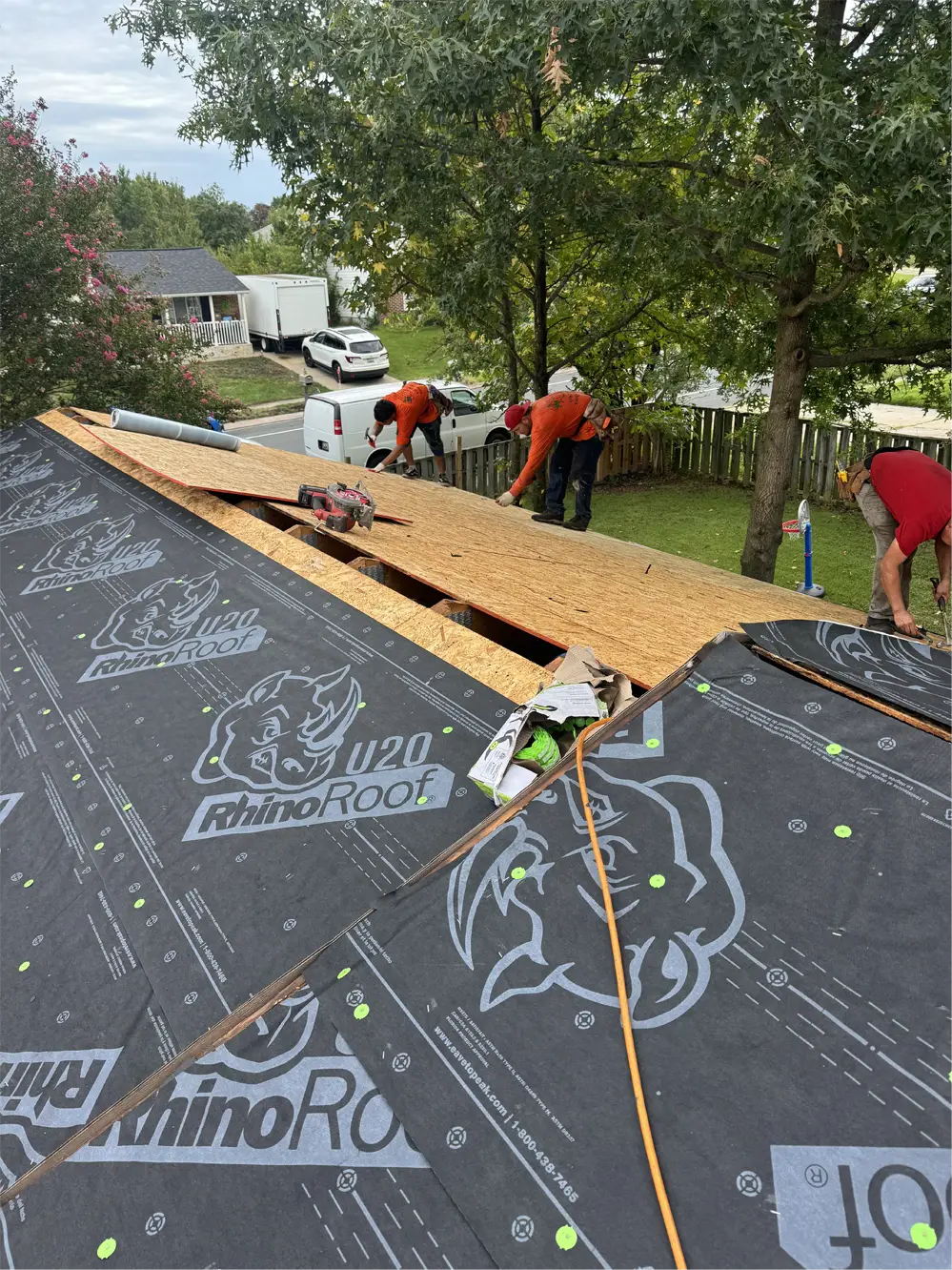
During a professional roof installation, we consider decking condition, underlayment, valleys, drip edge, flashing, roof penetrations, intake and exhaust ventilation, fastening patterns, and manufacturer requirements. These components determine whether water is reliably directed away from vulnerable areas.
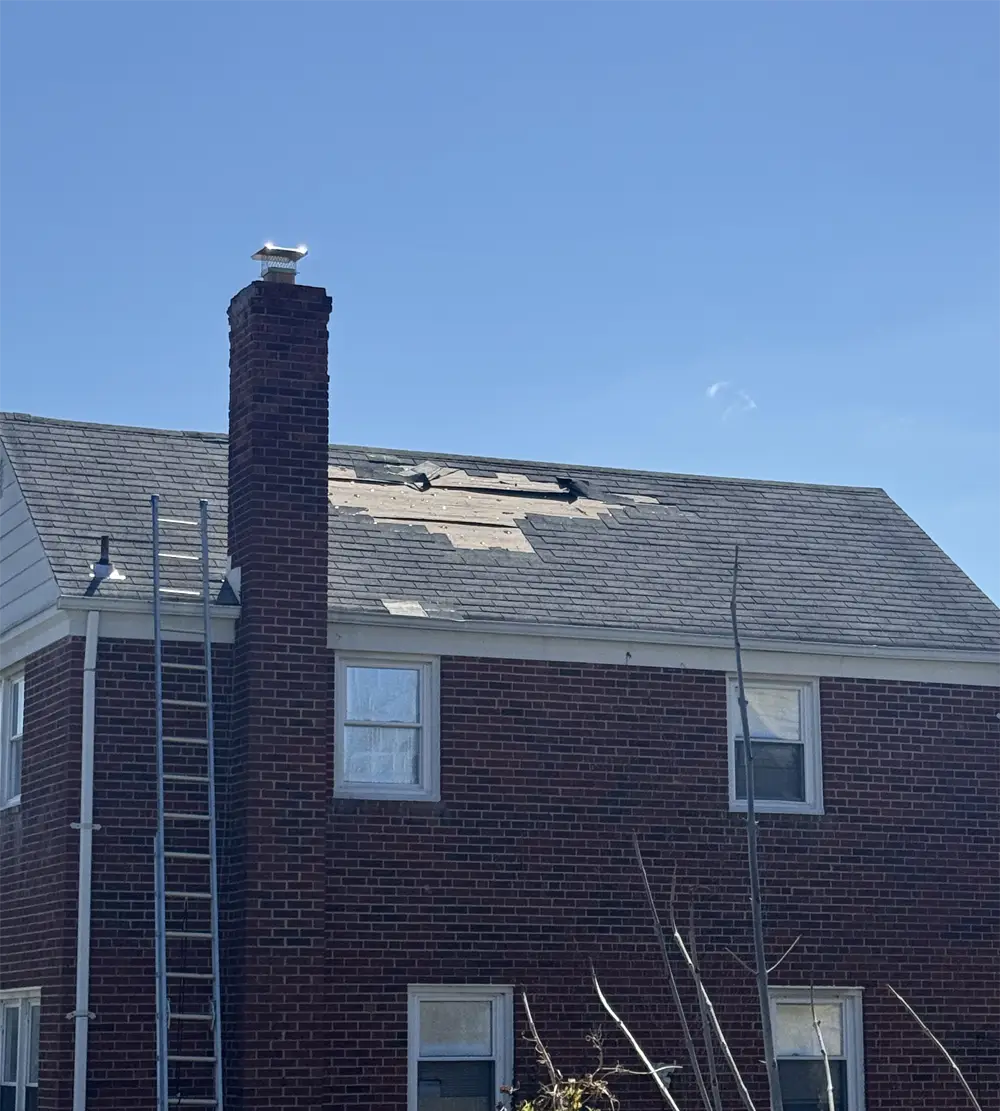
The same principle applies after storms. Missing shingles, lifted edges, punctures, damaged flashing, exposed fasteners, or recurring leaks should be addressed through timely roof repair before moisture reaches the roof deck.

CONCLUSION
For maximum lifespan, natural slate remains difficult to surpass. Standing-seam metal delivers excellent long-term performance with less structural weight, while architectural asphalt shingles offer Maryland homeowners one of the strongest combinations of durability, repairability, availability, and cost.
At A1 Roofing’s KangaRoof, we recommend choosing a roofing system based on the building, roof geometry, exposure, structural capacity, maintenance expectations, and budget—not lifespan alone. Homeowners planning a new roof can contact our Columbia roofing team to compare practical material options for their property.
FAQ
What is the most durable roofing material for a Maryland home?
Natural slate generally provides the longest potential service life, often exceeding 100 years when high-quality slate is correctly installed on a suitable structure. Metal roofing is often the more practical long-life option for homeowners who want durability without slate’s weight and specialized installation requirements.
Is metal roofing more durable than asphalt shingles in Maryland?
Typically, yes. A properly installed standing-seam metal roof can often provide 40–70+ years of service, while architectural asphalt shingles commonly provide approximately 20–35+ years. Asphalt remains attractive because it costs less initially and is easier to repair and replace.
Which roofing material is best for Maryland storms?
There is no storm-proof material. Metal roofing and properly installed impact-resistant architectural shingles can provide strong performance, but roof design, fastening, flashing, decking, and installation quality are equally important. For asphalt shingles, homeowners can compare tested impact and wind-resistance ratings when selecting products.