
A standard residential roof inspection typically takes about 45 to 90 minutes, although a simple roof may take less time and a large, steep, or complex roofing system can require two hours or more. At A1 Roofing’s KangaRoof in Columbia, MD, we focus on the time needed to evaluate accessible roofing components carefully rather than rushing through a fixed appointment window.
Typical Roof Inspection Times by Property Type
| Inspection type | Typical time |
| Small, simple residential roof | 30–60 minutes |
| Average single-family home | 45–90 minutes |
| Large or complex residential roof | 90–120+ minutes |
| Focused leak or storm-damage assessment | 30–60+ minutes |
| Commercial or multi-section roof | 1–3+ hours |
These are practical planning ranges, not guaranteed appointment lengths. Roof pitch, square footage, number of roof planes, access, weather, roofing material, attic access, and the amount of visible damage can all change the inspection time.
What Happens During a Roof Inspection?
A useful roof inspection is more than a quick look at shingles. We evaluate the roof as a system and look for conditions that can allow water intrusion or shorten service life.
Typical inspection points include:
- Shingles, membranes, or other roof-covering materials
- Valleys, hips, ridges, edges, and transition areas
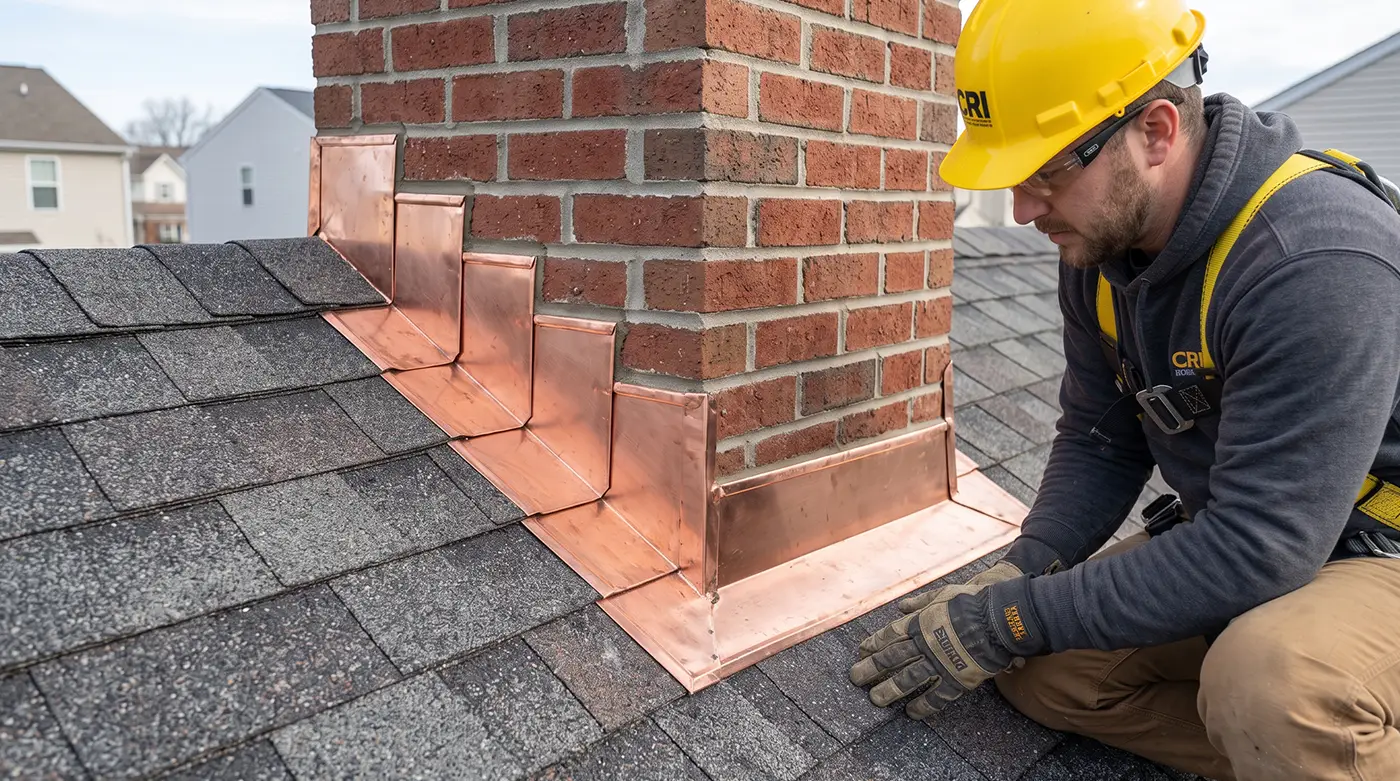
- Step flashing, counterflashing, chimney flashing, and wall intersections
- Pipe boots, vents, skylights, chimneys, and other penetrations
- Gutters, drainage paths, and low areas where water may collect
- Missing, lifted, cracked, curled, blistered, or damaged materials
- Sealant deterioration and exposed fasteners
- Visible signs of leaks, moisture, rot, or damaged decking
- Attic or interior leak evidence when the area is safely accessible
The InterNACHI Standards of Practice identify roof coverings, gutters, downspouts, flashing, skylights, chimneys, penetrations, and accessible roof structure among core inspection items, and require reporting “observed indications of active roof leaks.” The ASHI Standard of Practice similarly includes roofing materials, drainage systems, flashing, skylights, chimneys, and roof penetrations.

What Makes a Roof Inspection Take Longer?
Roof Size and Layout
A 1,500-square-foot home with a simple gable roof can usually be evaluated faster than a larger home with multiple valleys, dormers, additions, intersecting roof sections, and low-slope areas. More roof planes mean more flashing lines, transitions, penetrations, and drainage points to examine.
Roof Pitch and Safe Access
Steep slopes, high eaves, limited ladder placement, wet surfaces, ice, strong wind, or fragile materials may restrict direct roof access. Safety can change the inspection method and increase the time needed to evaluate the roof from accessible locations.
Roofing Material
Asphalt shingles, metal panels, modified bitumen, TPO, EPDM, PVC, and other systems fail in different ways. Shingle inspections often focus on granule loss, cracking, lifted tabs, fastener issues, and flashing. Flat and low-slope roofs require closer attention to seams, penetrations, membrane condition, drainage, and ponding areas.
Leaks or Storm Damage
A targeted inspection after wind, hail, or an active leak may require additional time because the visible damage is not always the source of water entry. Water can travel along decking, rafters, insulation, or framing before appearing inside. When a problem is localized, roof repair in Columbia, MD may be appropriate; widespread deterioration or recurring failures may make roof replacement the better option.
Can a Roof Inspection Be Done in 15 or 20 Minutes?
A brief exterior check can sometimes be completed that quickly, but it should not be confused with a detailed inspection. A meaningful evaluation requires enough time to review vulnerable areas, document findings, connect interior symptoms with exterior conditions when applicable, and determine whether the issue appears isolated or systemic.
How to Prepare for a Faster, More Useful Inspection
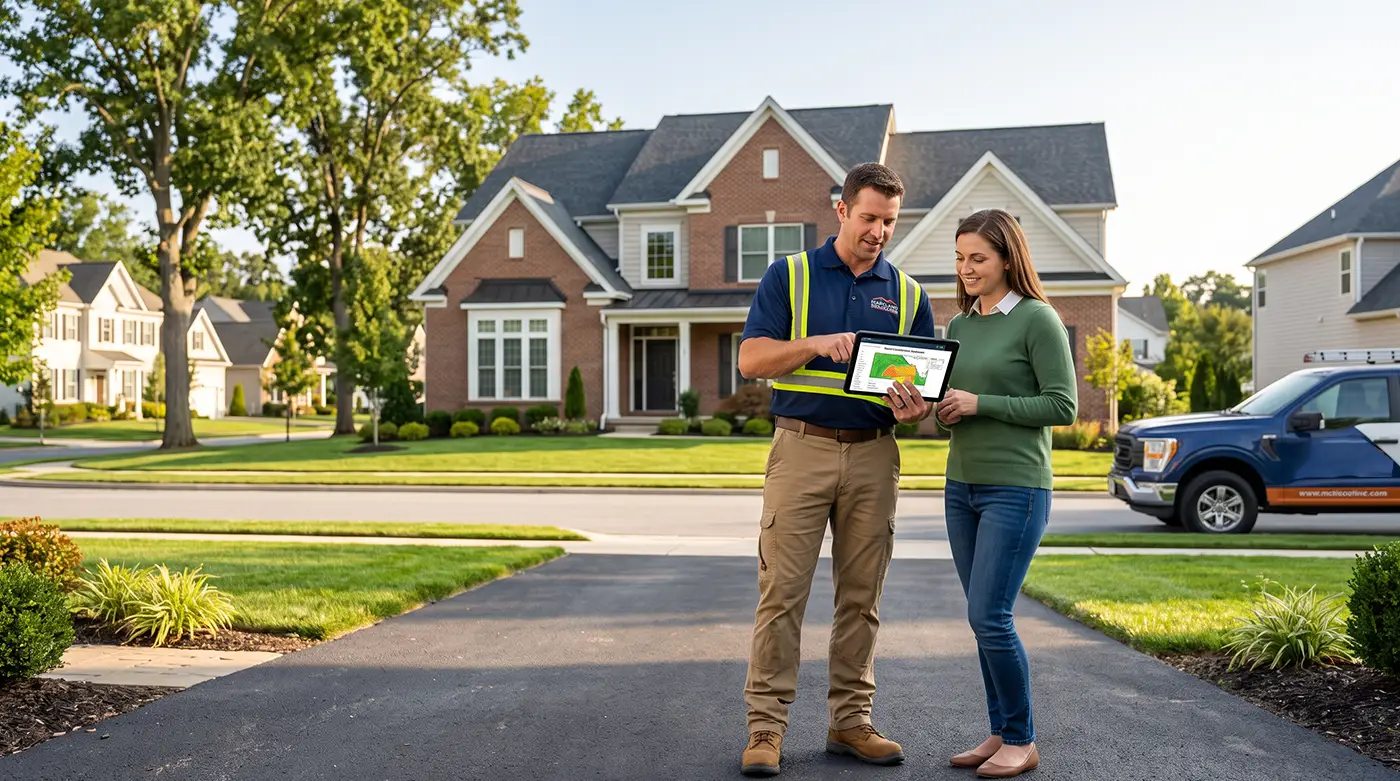
Homeowners can help us work efficiently by providing clear access to the property, moving vehicles away from likely ladder locations, unlocking gates, and identifying known leaks or past repair areas. If water stains are visible inside, showing us the exact location can help narrow the investigation. Photos from previous storms or repairs can also provide useful context.
When Should You Schedule a Roof Inspection?
We recommend an inspection when you notice missing or lifted shingles, ceiling stains, active leaks, damaged flashing, storm debris, unusual granules in gutters, sagging areas, or recurring moisture problems. An inspection is also useful before major repair decisions or when an aging roof begins requiring repeated service.
If you need a professional assessment, contact our team to schedule an inspection and receive clear options based on the roof’s actual condition.

CONCLUSION
Most residential roof inspections take 45 to 90 minutes, while larger, steeper, damaged, or more complex roofs can take two hours or longer. The right inspection time is the amount required to evaluate the roof safely and thoroughly. At A1 Roofing’s KangaRoof, we use the findings to help property owners distinguish between maintenance, targeted repair, and replacement rather than making decisions from surface appearance alone.
FAQ
How long does a roof inspection take for an average house?
For many single-family homes, we recommend planning for approximately 45 to 90 minutes. Complex roofs, difficult access, storm damage, or attic investigation can extend the inspection.
Does a roof inspection include the attic?
When attic access is available and relevant to the problem, interior inspection can help identify moisture staining, active leaks, damaged decking, ventilation concerns, and the path water may be taking through the roof system.
How long does a roof inspection take after a storm?
A focused storm-damage inspection may take 30 to 60 minutes or more, depending on roof size, access, the number of damaged areas, and whether interior leak evidence must also be investigated.