
Hiring a roofing contractor should begin with verification, not price. At A1 Roofing’s KangaRoof in Columbia, MD, we recommend confirming a contractor’s license, insurance, bond status, written scope, warranties, and local track record before authorizing work. A bond can add financial protection, but it does not replace licensing, liability insurance, workers’ compensation coverage, or a detailed contract. Homeowners comparing contractors through a reputable roofing company in Columbia, MD should evaluate these protections together.
What Is a Bonded Roofing Contractor?
A bonded roofing contractor has obtained a surety bond for a defined obligation. A typical surety arrangement involves the contractor, the party protected by the bond, and the surety company issuing it. Depending on the bond, coverage may relate to licensing, contract performance, payment obligations, or another specified risk.
“Bonded” is not a universal guarantee. Bond limits, exclusions, claim procedures, and beneficiaries vary. Ask for the bond type, surety name, bond number, coverage amount, effective dates, and conditions under which a claim may be made.

Bonded vs. Licensed vs. Insured
These terms describe different protections:
- Licensed: The contractor has met applicable government requirements to perform regulated work.
- Insured: The contractor carries policies that may respond to covered liabilities, property damage, or workplace injuries.
- Bonded: A surety has issued a bond covering a defined contractual or licensing obligation.
In Maryland, homeowners should verify contractors directly with the Maryland Home Improvement Commission. MHIC advises consumers to confirm that a contractor’s license is current and request current general liability and workers’ compensation certificates.
Maryland Performance Bonds and the Guaranty Fund
Maryland also provides consumer protection through the MHIC Guaranty Fund, which may compensate eligible homeowners for certain actual losses involving licensed contractors.
Under Maryland home improvement contract requirements, contracts must notify homeowners of their right to request a performance bond for additional protection against losses not covered by the Guaranty Fund. The rules also limit the initial deposit to no more than one-third of the contract price.

7 Checks Before Hiring a Bonded Roofing Contractor
1. Verify the Roofing License
Never rely only on a license number printed on a proposal, truck, advertisement, or website. Confirm that the license is active and matches the business you are hiring. Our Maryland MHIC license is #85692.
2. Verify Insurance Separately
Ask for current general liability and workers’ compensation certificates. Check policy dates and, for a major roofing project, consider confirming coverage directly with the issuing insurance agent.
3. Ask for Bond Documentation
Request the bond certificate and review the surety, bond amount, effective period, named obligee, and claim conditions. A licensing bond may not protect a homeowner in the same way as a project-specific performance bond.
4. Demand a Detailed Written Roofing Scope
A proposal should identify tear-off requirements, decking allowances, underlayment, flashing, ventilation, shingles or membrane system, cleanup, disposal, permits, payment schedule, expected timing, and warranty terms. Compare competing bids line by line instead of comparing only the final price.
For localized damage, review the proposed work against professional roof repair services. When widespread deterioration makes repairs impractical, compare the scope with a complete roof replacement proposal.
5. Match the Contractor to the Roof System
Experience with asphalt shingles does not automatically establish expertise with TPO, EPDM, PVC, or modified bitumen. Review the contractor’s complete roofing services and request examples of comparable projects involving your specific roofing system.
6. Review Both Types of Roofing Warranty
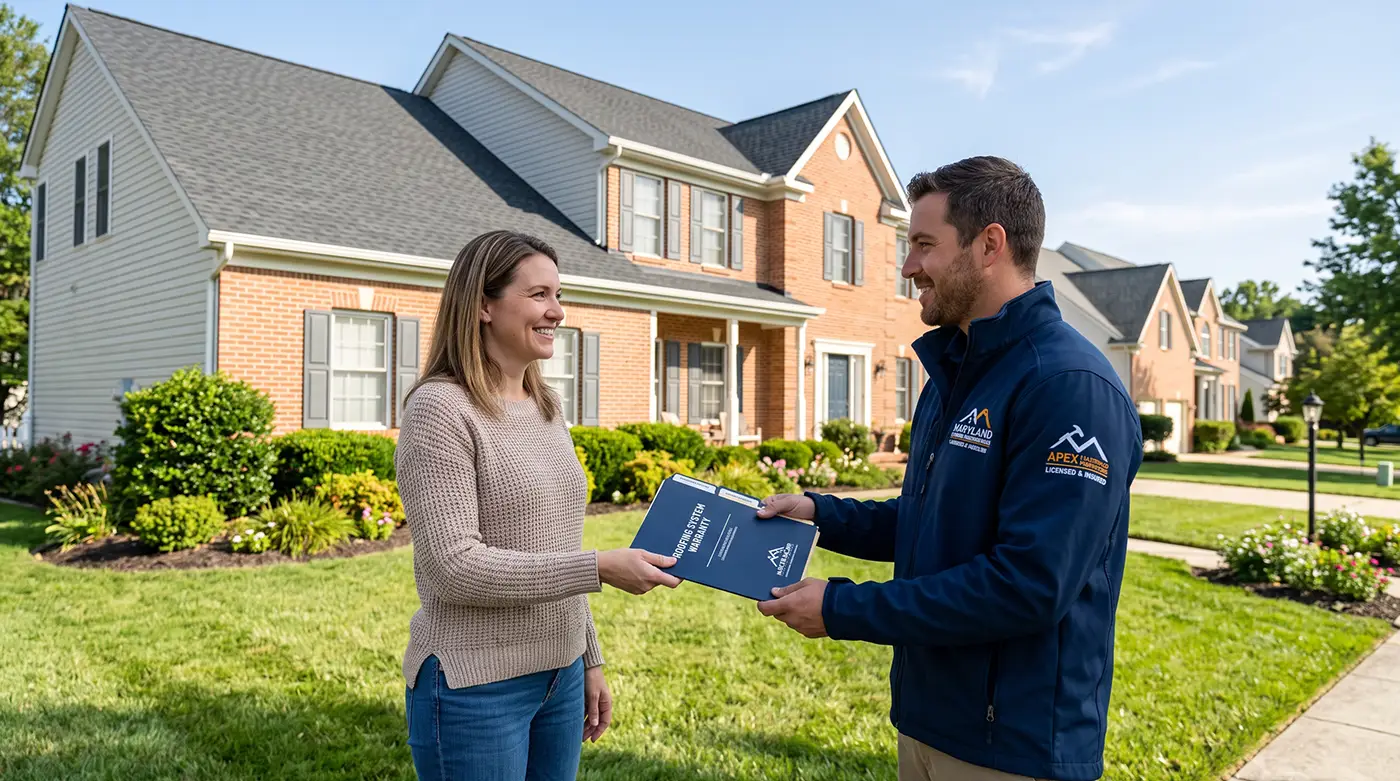
Separate the contractor’s workmanship warranty from the manufacturer’s material warranty. Confirm duration, exclusions, transferability, registration requirements, and responsibility for handling claims.
Our shingle roof replacements include a 10-year workmanship warranty, while roof repair warranties typically range from one to three years, depending on the repair.
7. Check Local Reputation and Communication
Ask for recent local references, review customer feedback for recurring patterns, and evaluate how clearly the contractor answers technical and contractual questions. For substantial roofing work, compare at least two detailed bids, including exclusions, allowances, materials, warranties, and change-order procedures.
Roofing Contractor Red Flags
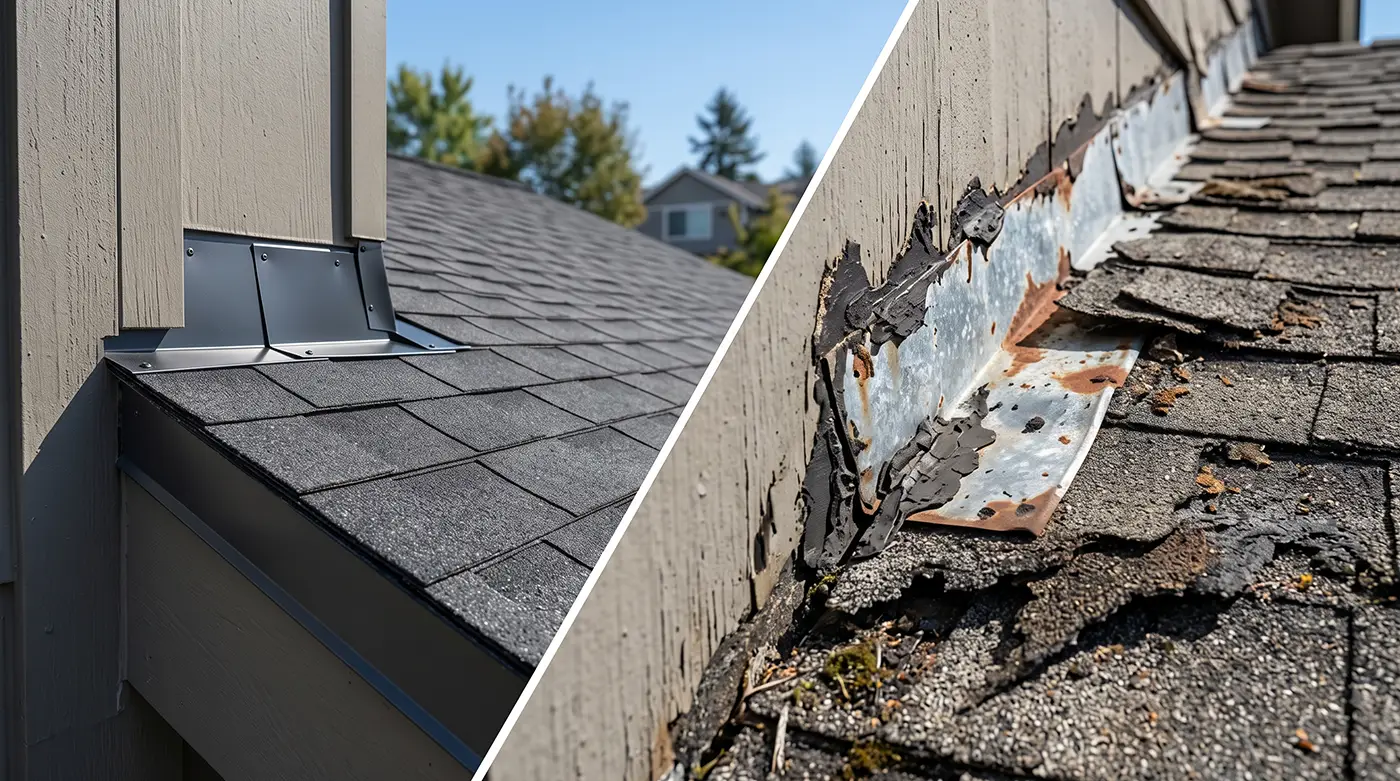
Avoid contractors who pressure you to sign immediately, refuse to provide licensing or insurance documentation, demand cash, request an excessive deposit, provide a vague scope, cannot explain the bond they claim to carry, or submit a price far below comparable bids without explaining the difference.
A low roofing estimate can become expensive when decking, flashing, ventilation, permits, disposal, material specifications, or warranty coverage has been excluded.
Conclusion
Choosing a bonded roofing contractor requires more than checking one credential. We recommend verifying the license, insurance, bond terms, written scope, payment structure, warranties, roof-system experience, and local references as one complete due-diligence process. A1 Roofing’s KangaRoof provides written roofing options and project-specific recommendations for Maryland property owners; homeowners ready to compare next steps can contact our team to request an inspection or estimate.
FAQ
Is a bonded roofing contractor automatically insured?
No. Bonding and insurance are separate protections. A contractor may carry a surety bond covering a defined obligation while maintaining separate general liability and workers’ compensation policies. Verify each independently.
How do I verify whether a roofing contractor is bonded?
Ask for the bond certificate, surety company, bond number, coverage amount, effective dates, and bond type. Verify the information with the surety or issuing agency before relying on the bond as part of your contractor-selection decision.
Should I choose a bonded contractor over the cheapest roofing estimate?
Not based on bonding alone. Compare licensing, insurance, bond protections, roofing materials, written scope, warranties, local references, relevant experience, and total project value. The strongest roofing bid clearly defines what is included and who is responsible if a problem occurs.